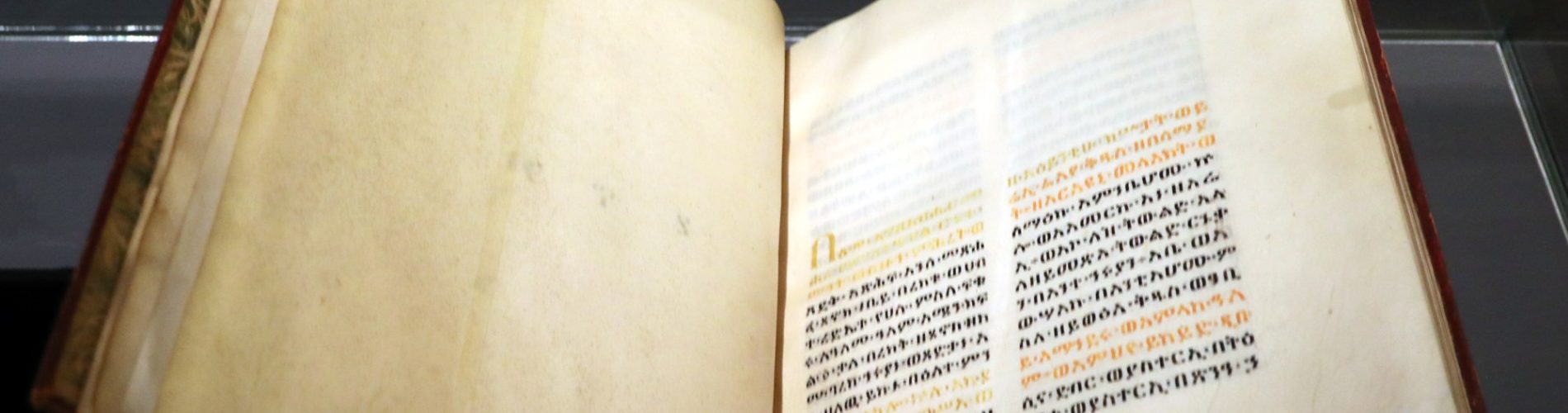
Open almost any book, street sign or newspaper in Ethiopia and you will see the same distinctive characters: ሀ, ለ, መ, ሰ. This is the Ge’ez script, also called Ethiopic or fidel. It is still in everyday use more than 1,500 years after its first inscriptions, and it links the stone carvings of ancient Aksum to the smartphone keyboards of today.
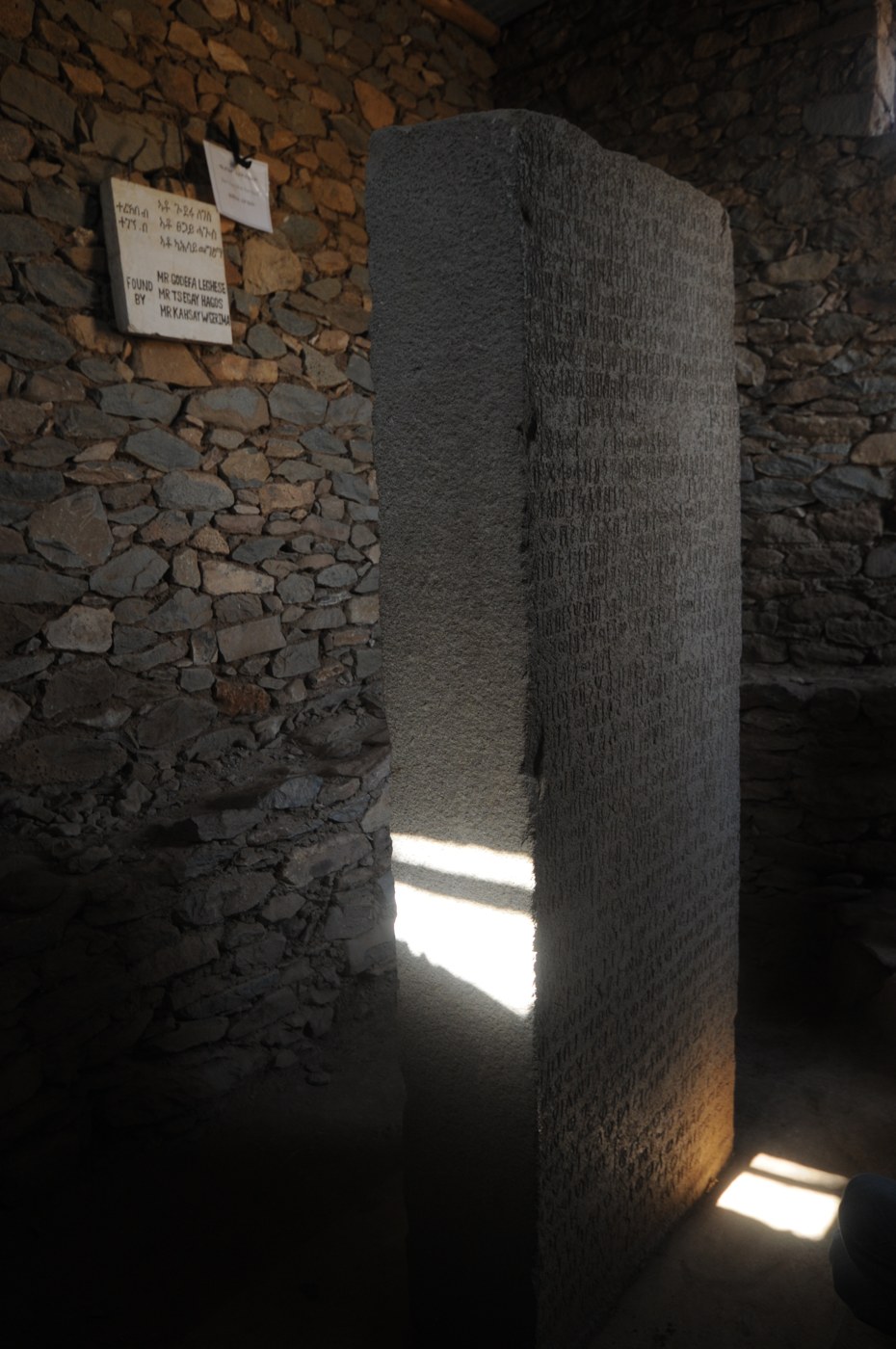
From Aksum’s stones
Ge’ez is the name of both a language and a script. The language is Semitic, related to the old South Arabian languages and to modern Amharic, Tigrinya and Tigré. According to Britannica, the script was apparently derived from Sabaean, a South Arabian script, and probably took shape in the early 4th century AD. Its basic alphabet has 26 consonant letters. One big difference set it apart: unlike Sabaean, Arabic or Hebrew, Ge’ez is written from left to right, probably because of Greek influence.
Britannica dates the oldest known inscription in the Ge’ez language to the 3rd or 4th century AD; it is written in a script that shows only consonants. Later inscriptions found at Aksum, from the 4th to the 9th century, are written in a script that also marks vowels. Scholars generally think the letters evolved gradually from Sabaean, while the system of vowel markings may have been the work of a single person. UNESCO notes that some 4th-century inscriptions at Aksum by King Ezana are trilingual, in Greek, Sabaean and Ge’ez.
How the script works
Ge’ez is an abugida, or syllabic alphabet. Each consonant letter is turned into a syllable by attaching a vowel marker to it, so each consonant comes as a family of related forms rather than being paired with separate vowel letters. These syllables are traditionally set out as a grid of consonants against vowels, which is also how the Unicode standard organises them.
The script also has its own numerals and punctuation. According to the Unicode standard, the Ethiopic digits derive from the Greek alphabet, possibly through Coptic letter forms, and the system has no zero. The traditional word separator is a two-dot mark (፡), although an ordinary space is now common in modern text.
A language of books and prayer
Ge’ez became the language of Christian Aksum. Britannica records that St Frumentius, the first bishop of Aksum, was asked by Athanasius of Alexandria in the 4th century to begin adapting Christian scripture into the Ethiopian language. The Bible was translated into Ge’ez between the 5th and 7th centuries.
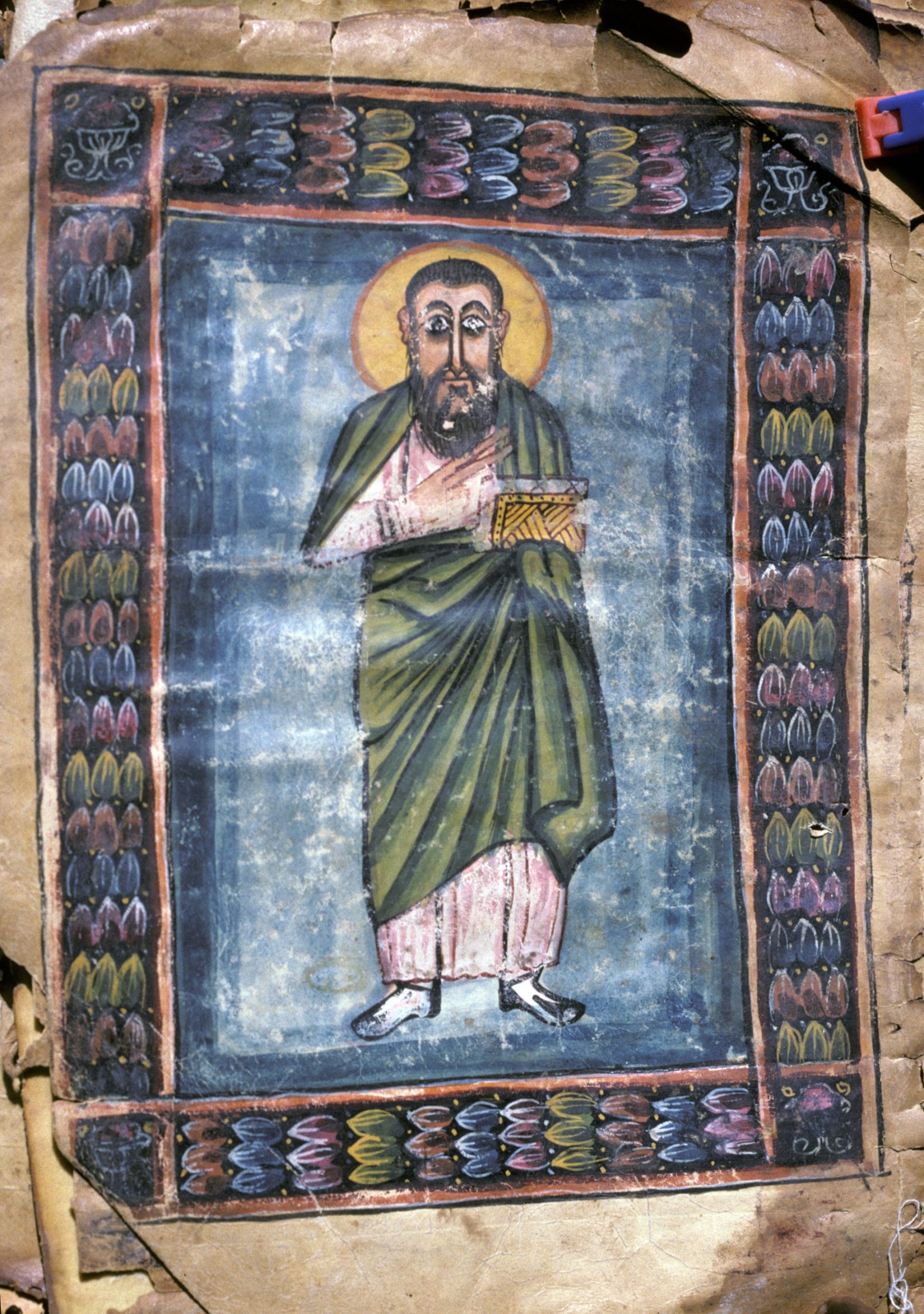
The most famous survivors of that early period are the Garima Gospels, kept at the monastery of Abba Garima near Adwa. Radiocarbon tests have dated the parchment of the older volume (Garima 2) to between the 4th and 7th centuries, and the other (Garima 1) to the 6th or 7th century. That makes them among the very earliest Christian manuscripts with illustrations anywhere in the world.
As a spoken language, Ge’ez died out between about 900 and 1200, but it never disappeared. It remains the liturgical language of the Ethiopian Orthodox Church. The sacred books of the Beta Israel (Ethiopian Jewish) community, including their Orit, are also written in Ge’ez. Britannica places the classical period of Ge’ez literature between the 13th and 17th centuries, when monasteries produced chronicles, saints’ lives, hymns and translations.
Some ancient texts survive only because Ethiopian scribes copied them. The First Book of Enoch, a Jewish religious work from the centuries around the time of Christ, has its only complete surviving version in Ge’ez.
One script, many languages
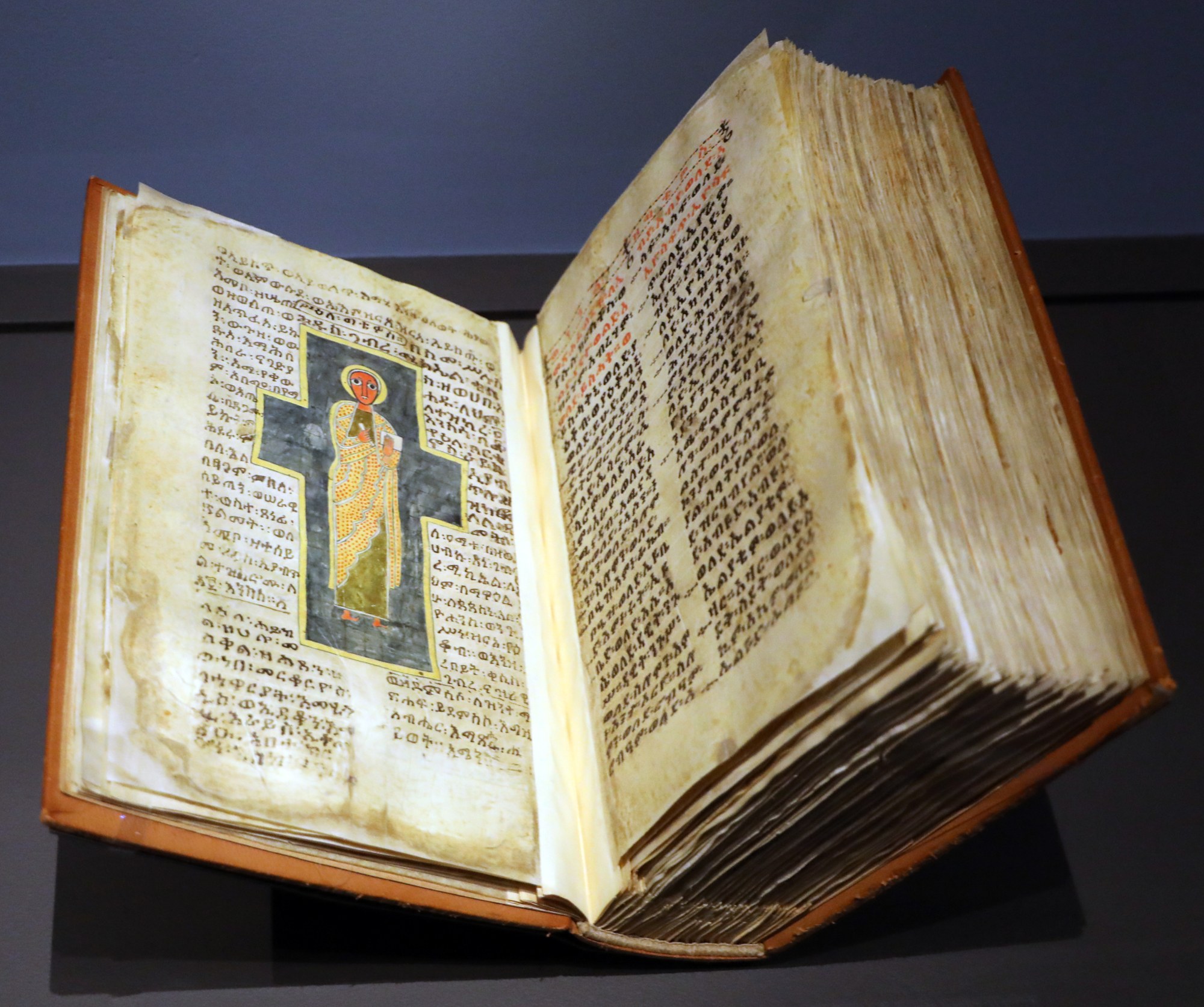
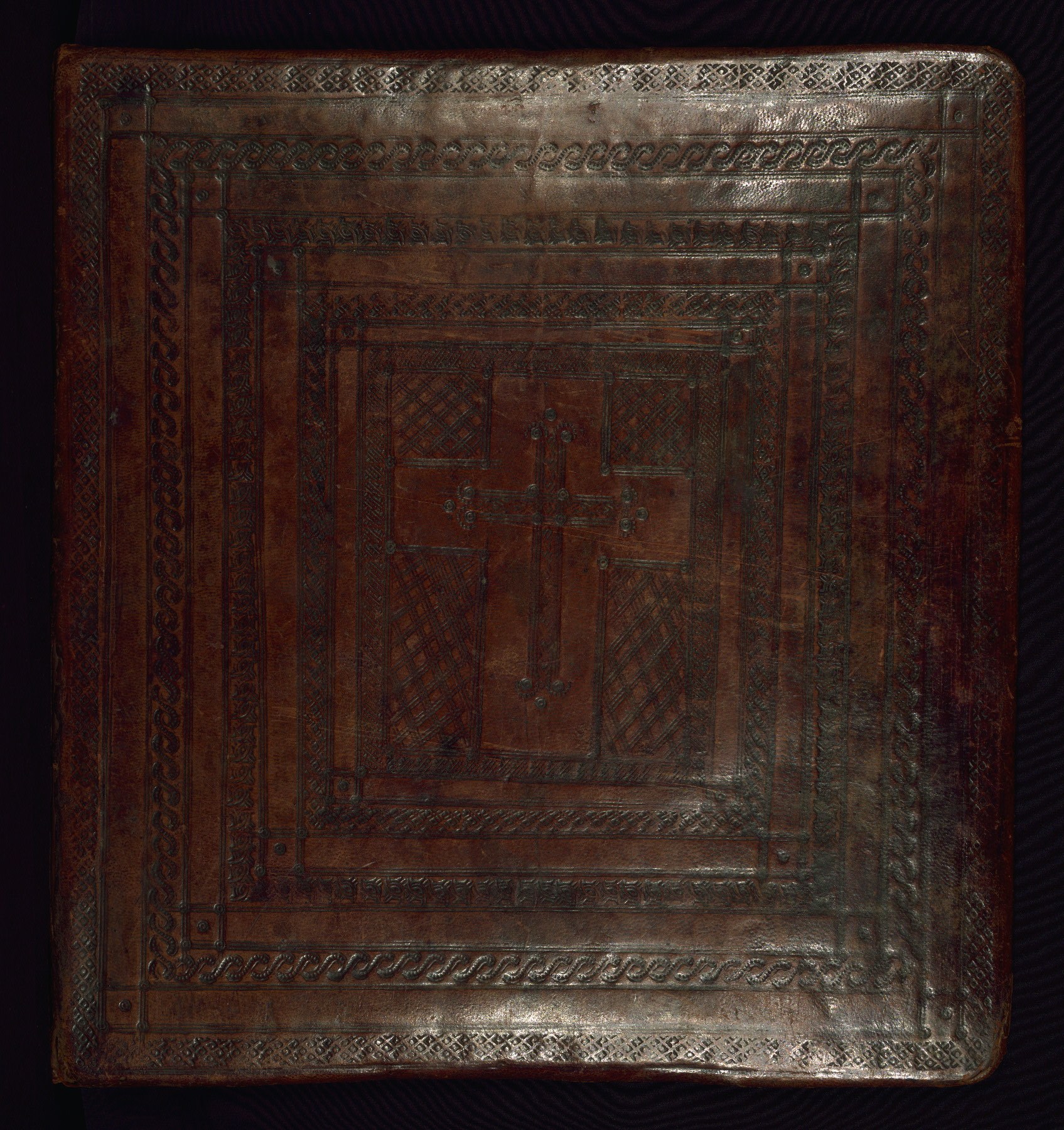
Over time the script was adapted for other Ethiopian and Eritrean languages, adding new letters for sounds that Ge’ez lacked. Today it is used to write Amharic, Tigrinya and Tigré, among other languages of Ethiopia and Eritrea. Many later manuscripts mix the two worlds: the Psalter below, which probably belonged to a prince of the Gondarine royal family, has its main text in Ge’ez and later additions in Amharic.
Into the digital age
Ge’ez made the jump to computers too. The main Ethiopic block of the Unicode standard (code points U+1200 to U+137F) was added in Unicode version 3.0, and further supplement and extension blocks have followed since. As a result, the same letters carved on stone at Aksum can now be typed, texted and searched online.
Few writing systems have such a long, unbroken record. From royal inscriptions to illuminated Gospels to text messages, the Ge’ez script remains one of Ethiopia’s most enduring inventions.
Sources
- Encyclopaedia Britannica, “Geʿez language”: britannica.com
- Encyclopaedia Britannica, “Saint Frumentius”: britannica.com
- Encyclopaedia Britannica, “First Book of Enoch”: britannica.com
- Encyclopaedia Britannica, “Ethiopic alphabet”: britannica.com
- The Unicode Standard, Chapter 19.1 “Ethiopic”: unicode.org
- UNESCO World Heritage Centre, “Aksum”: whc.unesco.org
- Tel Aviv University, “15th-century holy books of Ethiopian Jewry”: english.tau.ac.il
- Ethiopian Heritage Fund, “The Abuna Garima Gospels”: ethiopianheritagefund.org
- Alessandro Bausi, review of McKenzie and Watson, The Garima Gospels, Aethiopica 20 (2017): journals.sub.uni-hamburg.de
- Unicode Consortium, Character Database (Blocks.txt, DerivedAge.txt): unicode.org
- Walters Art Museum, Ethiopic Psalter W.768 (catalogue description via Wikimedia Commons)