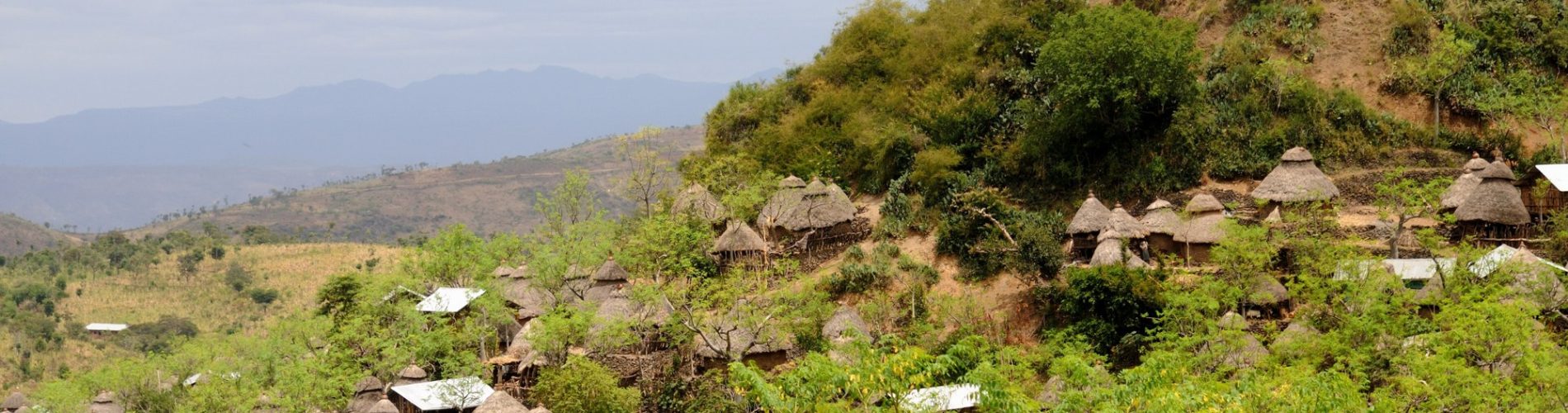
In the dry highlands of southern Ethiopia, whole hillsides are wrapped in walls of stacked stone. This is the Konso Cultural Landscape, which the UNESCO World Heritage Centre added to the World Heritage List in 2011. UNESCO describes it as an arid property of stone walled terraces and fortified settlements, a living cultural tradition that stretches back 21 generations, or more than 400 years. UNESCO puts the protected area at 23,000 hectares.
Who the Konso are
Encyclopaedia Britannica describes the Konso as a Cushitic people whose traditional territory is surrounded by the lands of Oromo peoples, to whom they are related in culture and language. Unlike most Ethiopian peoples, Britannica notes, the Konso live in large towns, each governed by its own council of elders. A generation grading system defines the social status of all men and some women.
Terraces built against a hard land
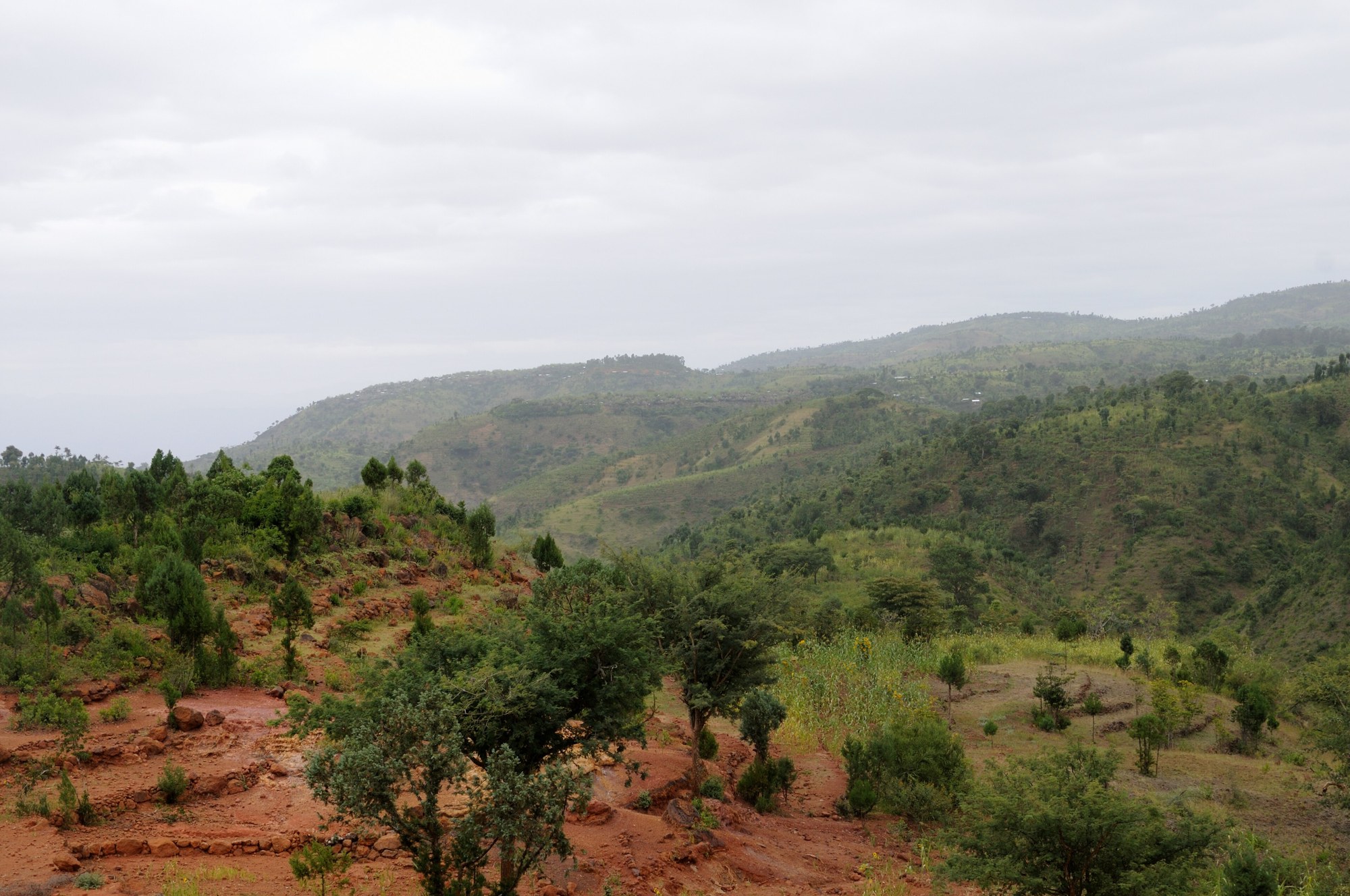
According to UNESCO, the dry stone terraces retain soil, collect as much water as possible and drain the excess, turning rocky slopes into fields. UNESCO notes that in places the walls reach five metres high. Britannica calls Konso farming exceptionally intensive, relying on irrigation and terracing, with maize and many varieties of sorghum as staples and cotton and coffee as cash crops. Cattle are kept in stalls so they do not damage the fields, and their dung is collected as fertiliser.
Walled towns on the hilltops
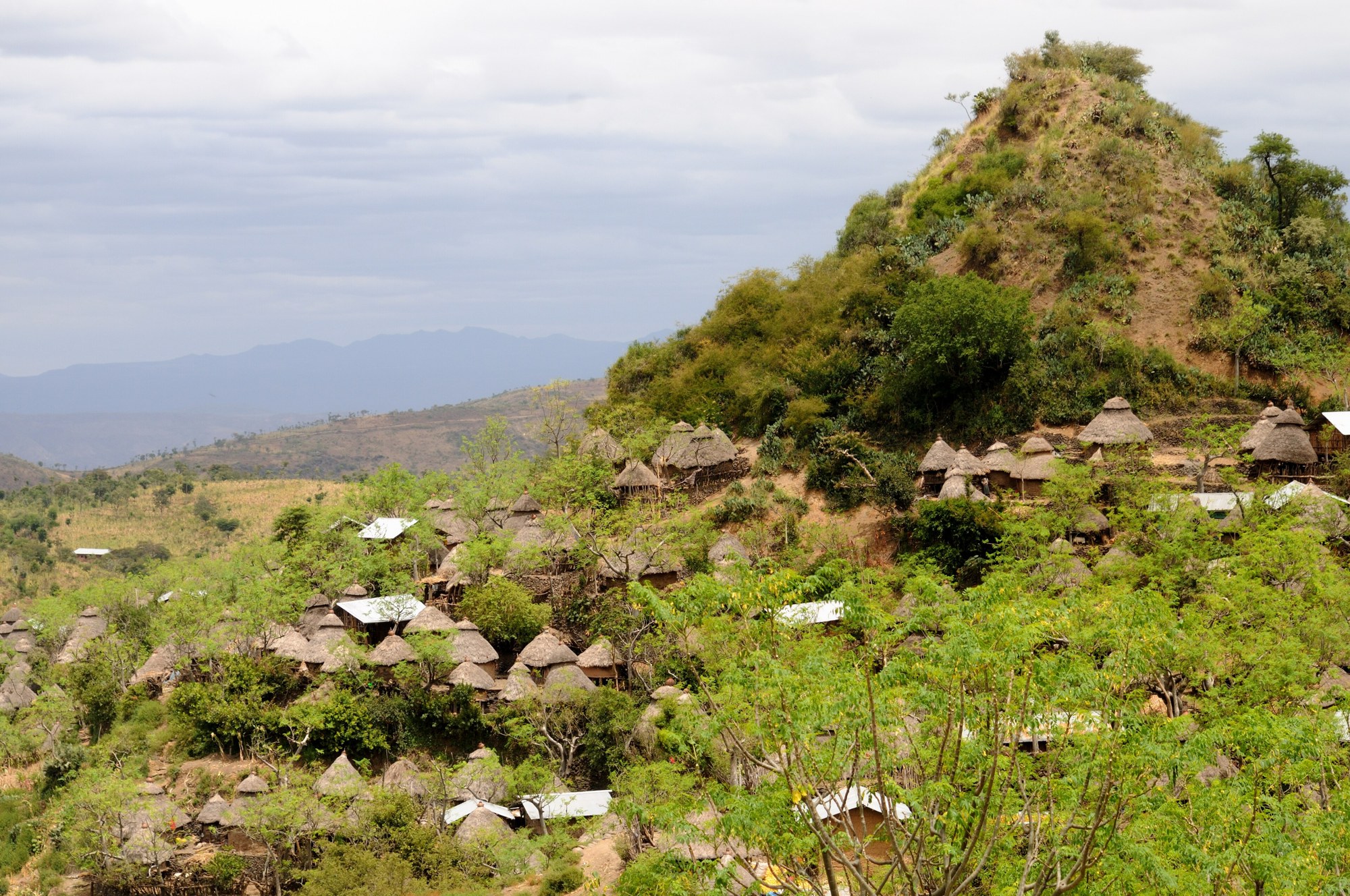
UNESCO says the walled towns, called paletas, were placed on high plains and hilltops for defence and are circled by between one and six rings of dry stone walls. According to UNESCO, inside are communal spaces called moras, and some towns have as many as 17 of them. UNESCO adds that the regional protection law of 2010 covers 12 walled towns and bans new building within 50 metres of their outermost walls.
Stones and statues for the dead
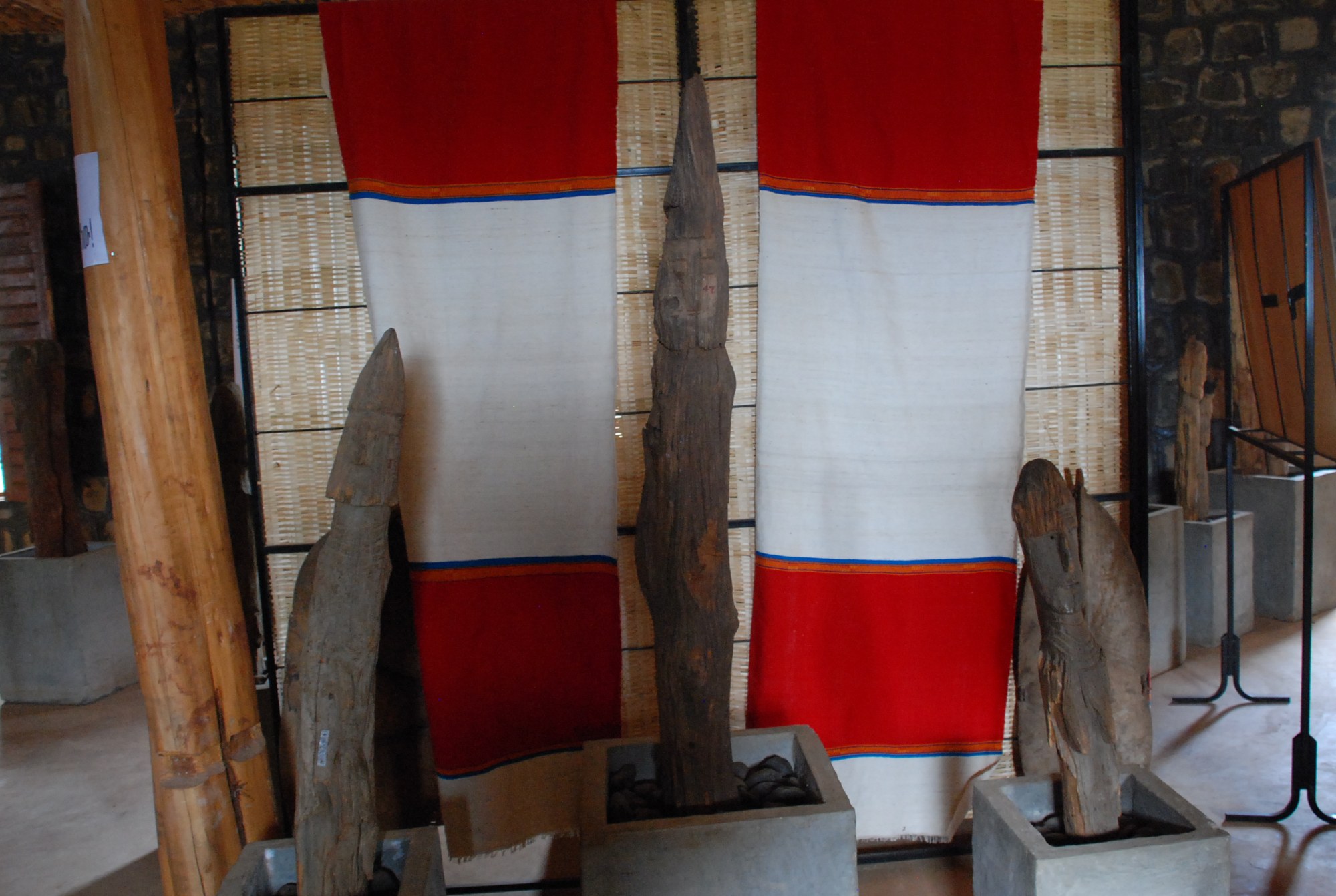
The Konso still raise stone steles to mark the handover of responsibility from one generation to the next, which UNESCO says makes them one of the last stele erecting peoples. UNESCO notes that sacred forests serve as burial places for ritual leaders. On the graves stand waka, carved wooden figures. Britannica explains that they honour a man who killed an enemy or a dangerous animal such as a lion or leopard, and are grouped to show the man, his wives and his defeated foes. UNESCO says this funerary tradition is on the verge of disappearing.