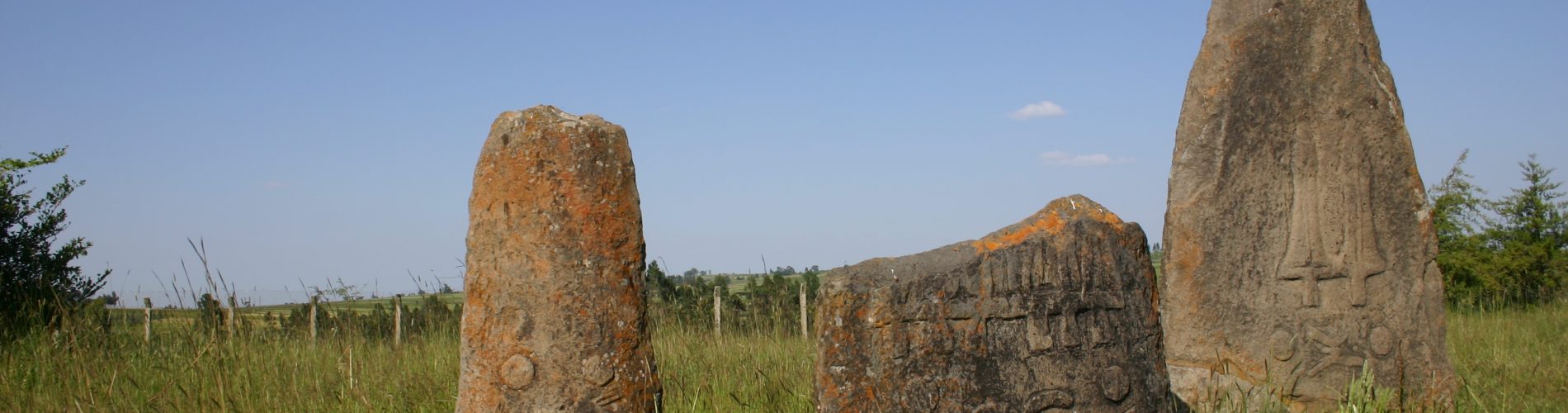
According to the UNESCO World Heritage Centre, Tiya is among the most important of the roughly 160 archaeological sites discovered so far in the Soddo region, south of Addis Ababa. UNESCO says the site contains 36 monuments, including 32 carved stelae covered with symbols, most of which are difficult to decipher. They are, UNESCO writes, the remains of an ancient Ethiopian culture whose age has not yet been precisely determined. UNESCO lists the property in Sodo woreda, Gurage zone, and a UNESCO World Heritage Centre note on preparatory assistance for Tiya states that Tiya was inscribed on the World Heritage List in 1980.
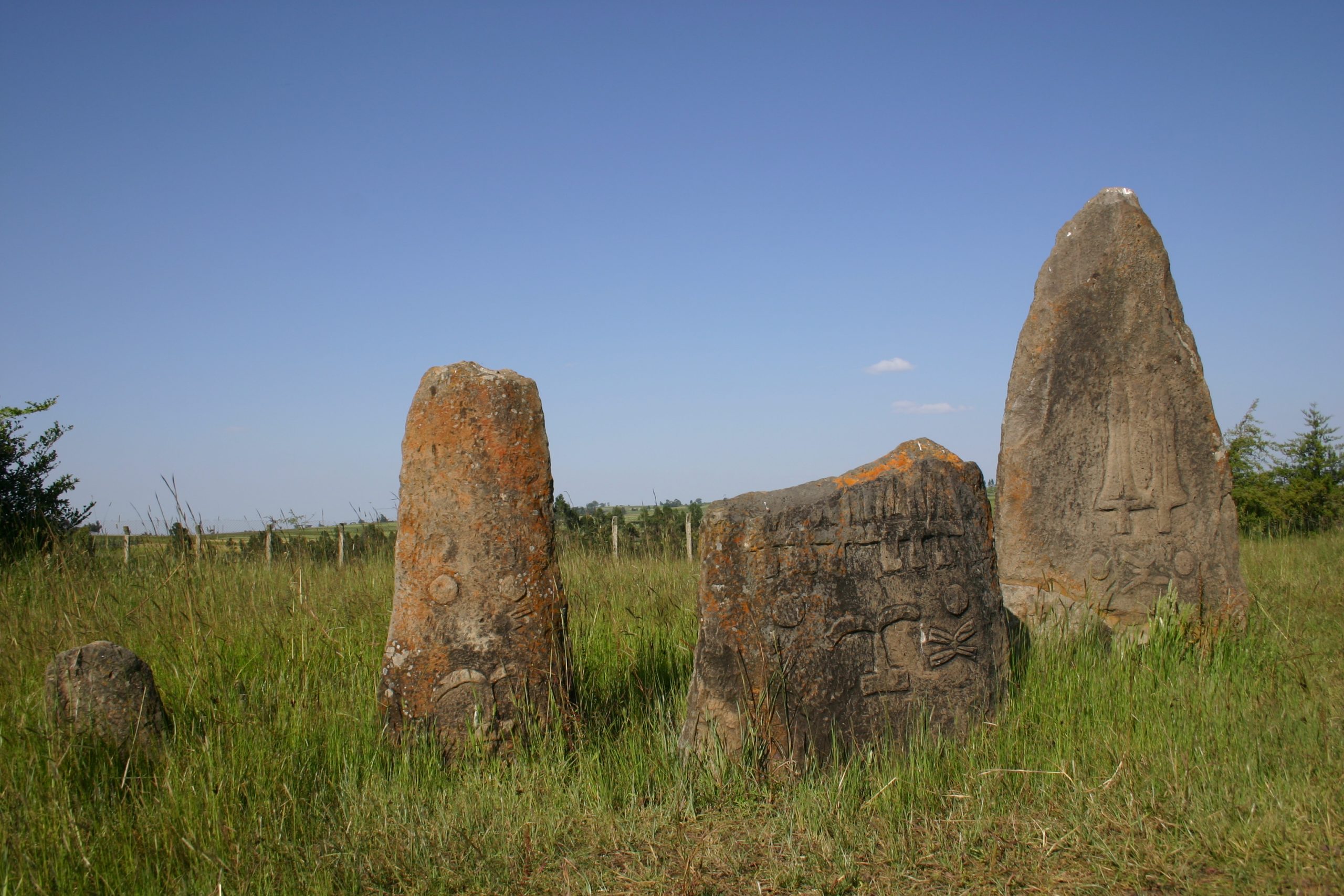
A field of standing stones
In its ICOMOS evaluation of 1980, the International Council on Monuments and Sites wrote that the region of Soddo is dotted with numerous archaeological sites of the megalithic period, comprising hundreds of sculpted stelae, and that Tiya is the most representative of those sites. ICOMOS describes the stones as aligned more or less vertically along an axis of 45 metres: a group of 33 stelae, with another group of 3 stelae a short distance from them. The stelae, ICOMOS says, are monolithic stones of hemispheric, conic and sometimes anthropomorphic form.
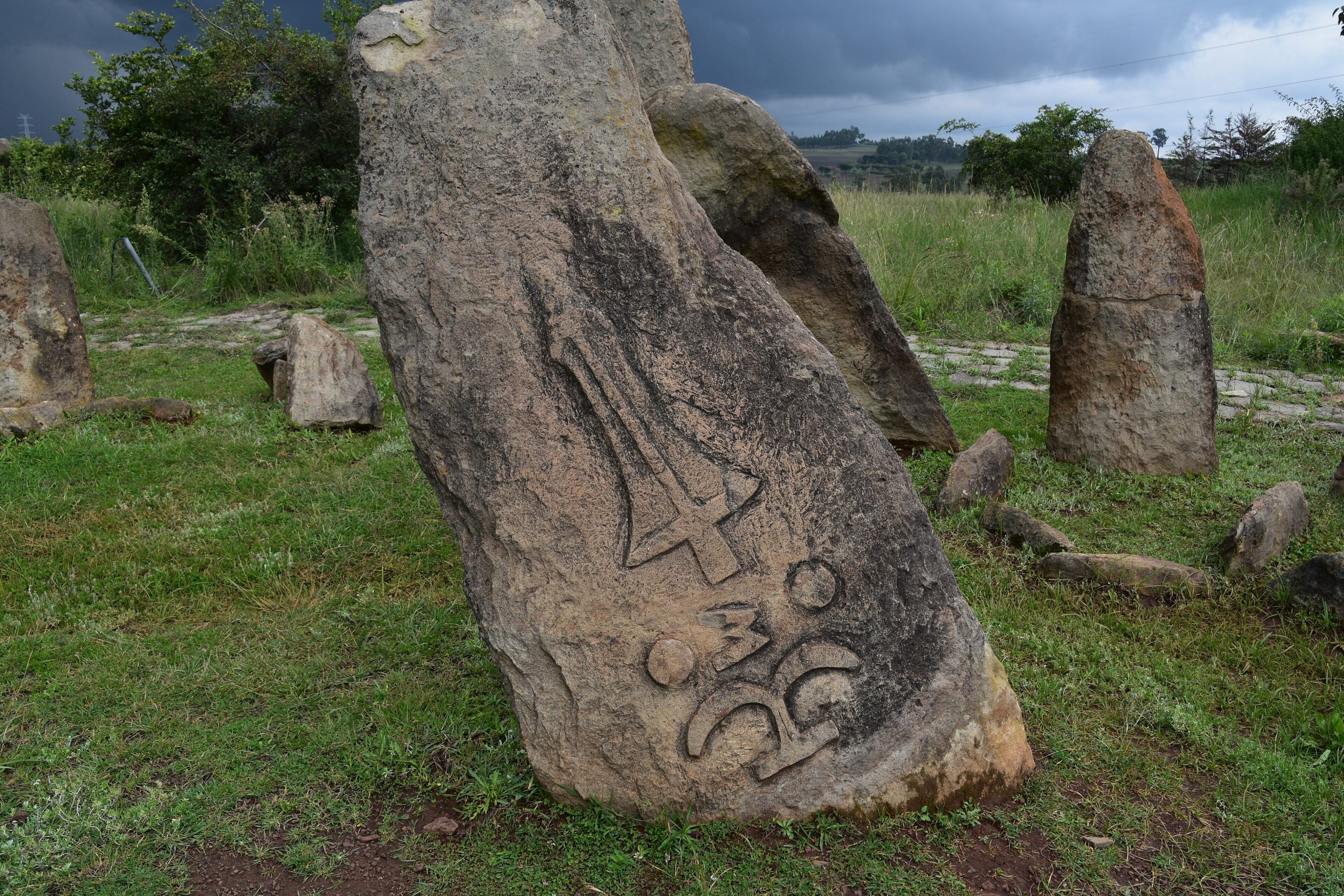
Swords and symbols that remain hard to read
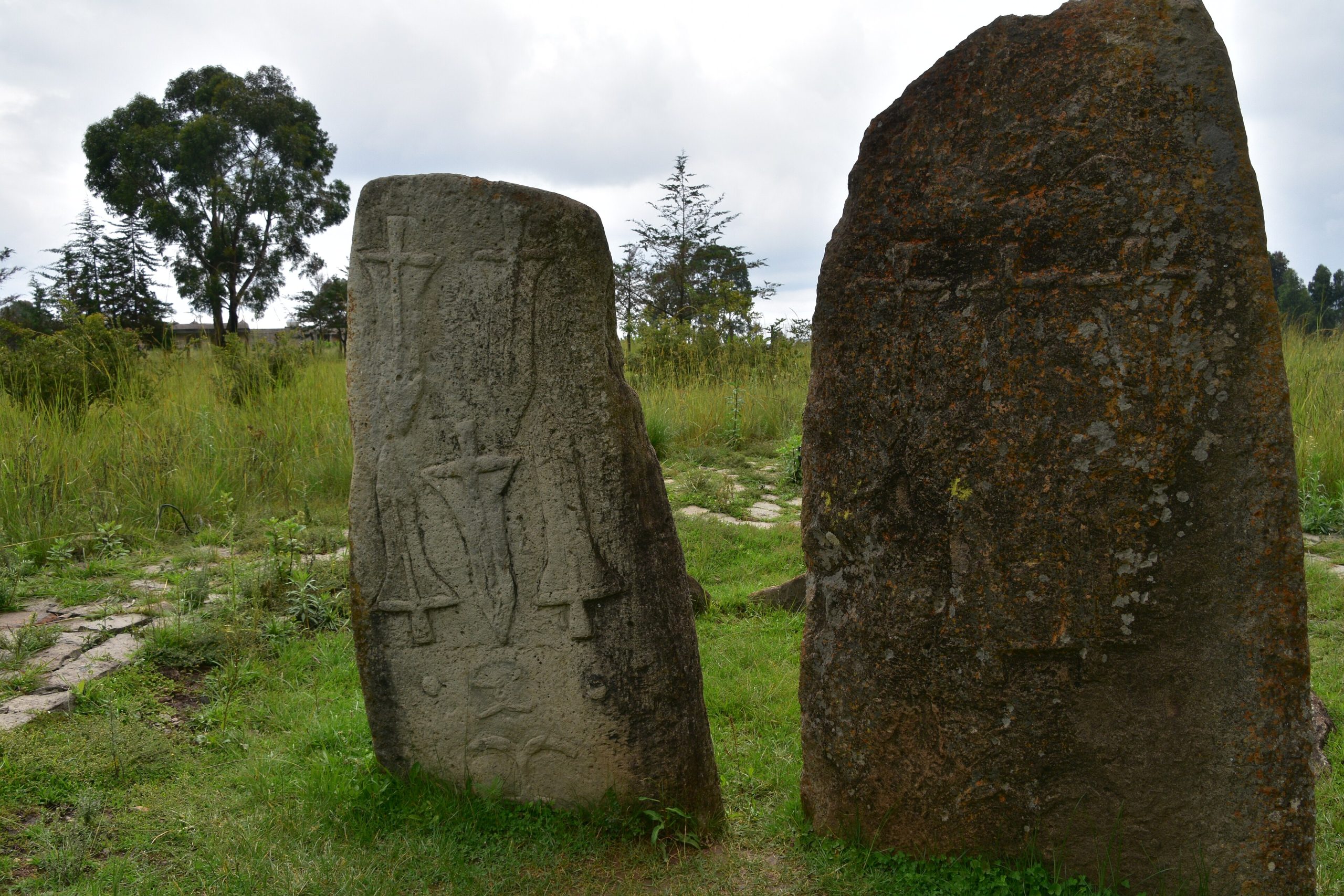
Of the 36 stelae, ICOMOS reported, 32 are sculpted with what it called vaguely representational configurations. Some of the forms, ICOMOS added, are sword shaped, and most are difficult to decipher. ICOMOS wrote that the stones have been interpreted as having a funerary significance, since tombs are scattered around the stelae. The UNESCO note on preparatory assistance makes the same link, saying the stelae are inscribed with sometimes recurring patterns, such as swords and mysterious symbols, which are generally linked to funeral rites. That note also repeats that the age of the culture has not yet been precisely determined.
Why it matters
ICOMOS recommended that Tiya be included on the World Heritage List under two criteria. Under criterion 1, ICOMOS said the stelae with their enigmatic configurations are unique cultural realisations. Under criterion 4, ICOMOS said they are highly representative of an expression of the Ethiopian megalithic period. ICOMOS recorded that since 1958 Tiya had been under the protection of the Administration of Antiquities, and that the carvings had recently been the object of archaeological study. Although the stelae were for the most part in good condition, ICOMOS warned in 1980 that they were threatened, owing to their symbolic nature, with destruction by man.