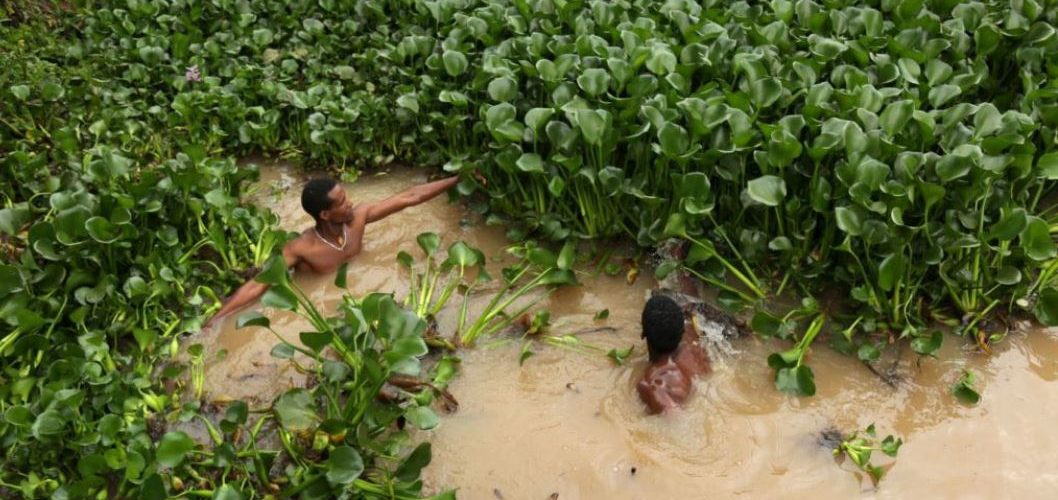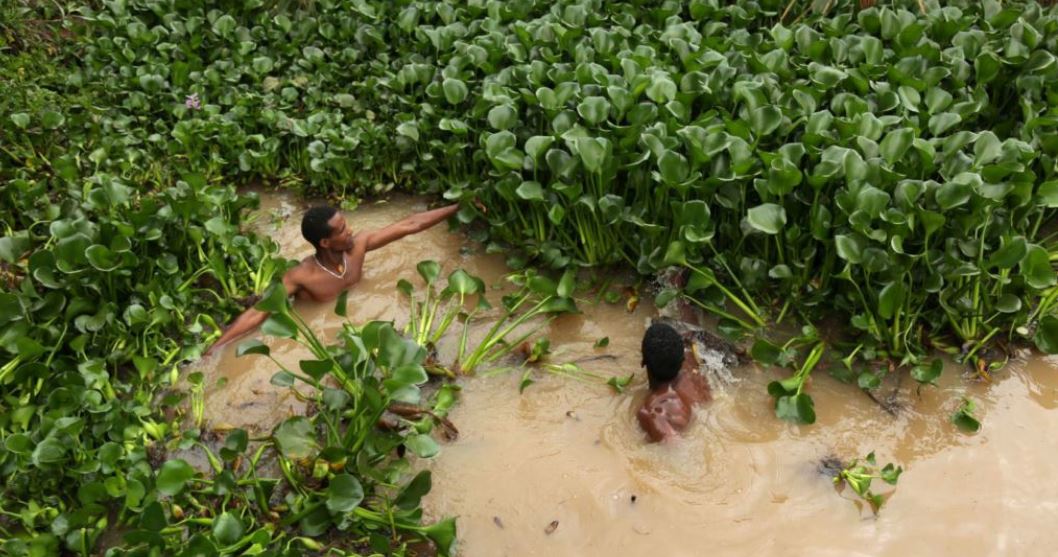
Lake Tana in northwestern Ethiopia is a winter refuge for migratory birds from Europe and Asia, the home of fish found nowhere else, and the source of the Blue Nile, according to UNESCO.
Ethiopia’s largest lake
Lake Tana is the largest lake in Ethiopia, lying in a depression of the northwestern plateau about 1,800 metres above sea level, according to Encyclopaedia Britannica. Its surface covers 3,673 square kilometres, and its maximum depth is only about 14 metres. The lake forms the main reservoir for the Blue Nile, known in Ethiopia as the Abbay, which drains from its southern end near Bahir Dar, Britannica says.
A biosphere reserve
UNESCO designated the Lake Tana Biosphere Reserve in 2015. UNESCO places it in the Amhara National Regional State, about 563 km northwest of Addis Ababa, and says Lake Tana accounts for 50 per cent of Ethiopia’s inland waters. The reserve is home to up to 67 fish species, about 70 per cent of them endemic, and UNESCO describes the Barbus fish of Lake Tana as the only remaining intact assemblage of large cyprinid fish in the world.
Birds from Europe
More than 217 bird species have been recorded around the lake, UNESCO says. Many migrant waterbirds from Europe and Asia depend on it for feeding and resting, including the common crane, the black tailed godwit and the ruff. Papyrus wetlands along the shore provide breeding and feeding grounds, and papyrus is also used to build the traditional tankwa reed boats.
History on the islands
Britannica records that monasteries were built on Dak and Daga islands during the Middle Ages, and that the Scottish traveller James Bruce reached the southern shore in 1770 while seeking the source of the Nile. UNESCO notes that some churches and monasteries of the Ethiopian Orthodox Tewahedo Church around the lake date back to the thirteenth century and house valuable treasures.
Why it matters
The Amhara people are the most populous group around the lake, and farming, fishing and tourism are the main livelihoods, according to UNESCO. With so many people, birds and endemic fish depending on one shallow lake, its health matters far beyond its shores.