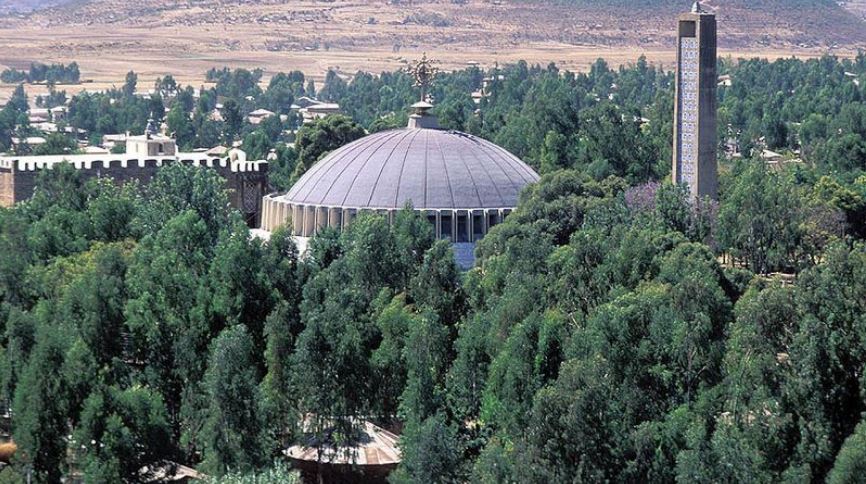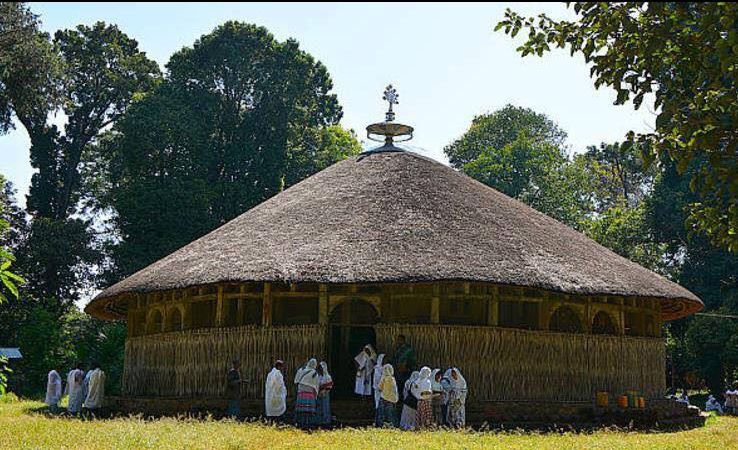
Across northern Ethiopia, small patches of native forest survive around Orthodox churches. They are known as church forests, and scientists see them as some of the last remnants of the forests that once covered much of the country.
Islands of forest
Nature reported in 2019 that these forests number around 35,000 across the country and can range from 3 to 300 hectares. Just 5 per cent of Ethiopia is now covered in forest, down from 45 per cent in the early twentieth century, the report said. The Ethiopian Orthodox Tewahedo Church, to which more than half of Ethiopians belong, views the natural forest as a symbol of heaven on Earth, where every creature is a gift from God and needs its habitat, according to Nature.
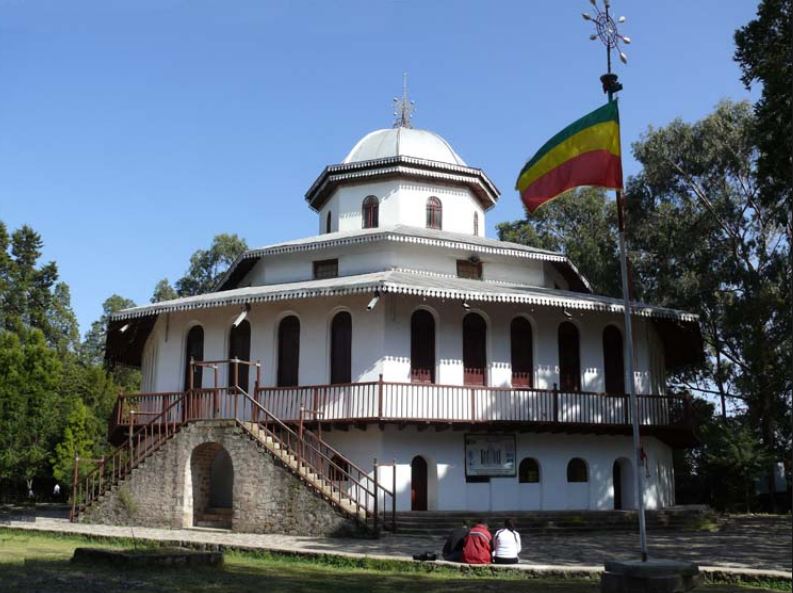
The scientists and the priests
The forest ecologist Alemayehu Wassie has spent years documenting and protecting church forests, working with the church, Nature reported. He has collaborated with the American canopy scientist Margaret Lowman. Inside Science reported that the two had mapped thousands of church forests and chose to focus on 28 with the highest biodiversity. (Nature’s figure of around 35,000 is a nationwide estimate; the researchers’ own count covers the areas they surveyed.)
Nature quoted Wassie as saying that many of the birds and insects in the church woods pollinate crops and control pests. The forests also store carbon, conserve water, reduce soil erosion and provide natural medicine, the report said.
Building walls
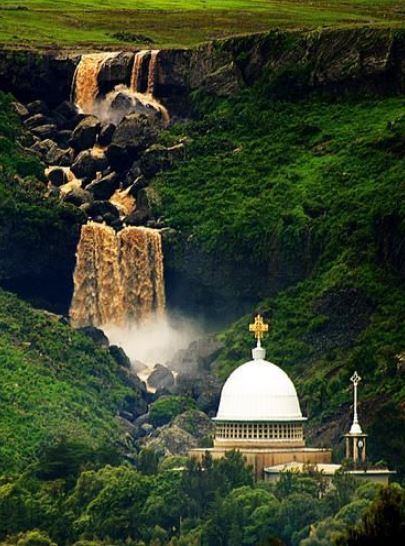
Grazing is one of the biggest threats. Mongabay reported that researchers found livestock grazing significantly reduced the survival and growth of native tree seedlings, and that fences around church forests proved an effective way to stop it. Wassie and Lowman work with priests and villagers to build stone walls around the forests, with stones collected from farmers’ fields and carried by donkey, Inside Science reported. Within the forests already walled, seedlings are coming up and more lizards and frogs live inside the walls, the scientists told Inside Science.