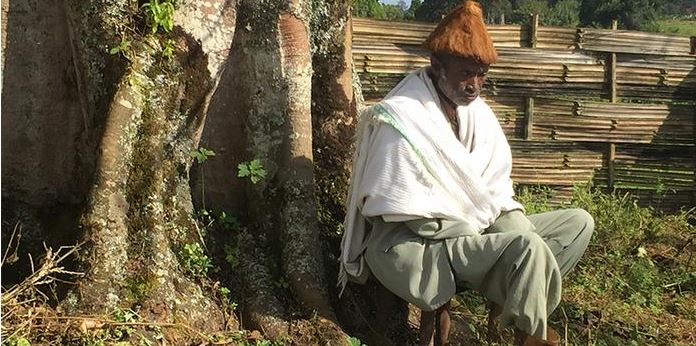
In the Sheka forest of southwestern Ethiopia, some places in the forest are held sacred by local people. These sacred sites, known locally as didos, are threatened as settlements grow and the demand for firewood increases.
We often hear about threatened species, the value of biodiversity and the benefits of ecosystems. Sometimes we forget why plants and animals are worth protecting: because we love them, or because we depend on them. Our series My favourite shows people and the places or species that matter most to them.
Where the Sheka forest is
The forest in this story lies in the Sheka Forest Biosphere Reserve in southwestern Ethiopia. UN News reported on 11 July 2012 that UNESCO had added the Sheka reserve to its World Network of Biosphere Reserves, one of 20 new sites added that year.
What makes it special
According to UNESCO, the reserve covers 238,750 hectares and includes forest, bamboo thickets, wetlands, farmland, rural settlements and towns. It spans a distinct landscape running from cold, very wet highlands down to hot lowland areas, and has a population of about 200,000 people. UNESCO notes that Afromontane forest has long been considered one of the most threatened ecoregions in the world.
The wildlife UNESCO lists for Sheka includes De Brazza’s monkey, African buffalo, lion, leopard and African civet, along with birds such as the Abyssinian ground hornbill and the Abyssinian woodpecker.
People and forest together
UNESCO describes a diverse resident population committed to using the forest sustainably, producing wooden items and other forest products. Biosphere reserves are places where local communities are actively involved in governance and management, research, education and monitoring, in support of both development and biodiversity conservation, UN News explains.
Why the didos matter
The sacred groves described in this story are part of that picture. They show how spiritual tradition and conservation can point in the same direction: forests that are protected because they are holy also remain home to plants and animals that have disappeared elsewhere. As settlements grow and demand for firewood rises, that protection becomes more important, not less.