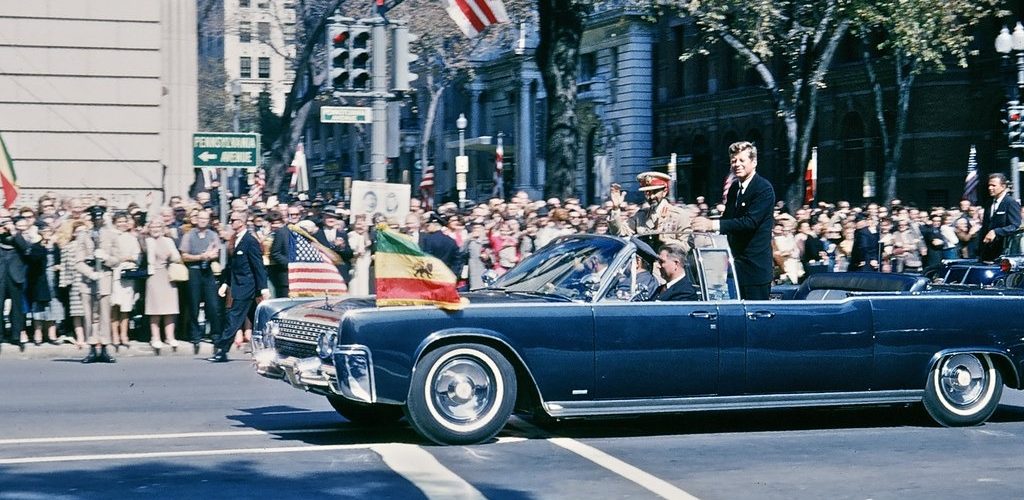
On 1 October 1963, Emperor Haile Selassie of Ethiopia arrived at Union Station in Washington, where President John F. Kennedy welcomed him at noon with full military honours, according to the record of the remarks kept by The American Presidency Project.
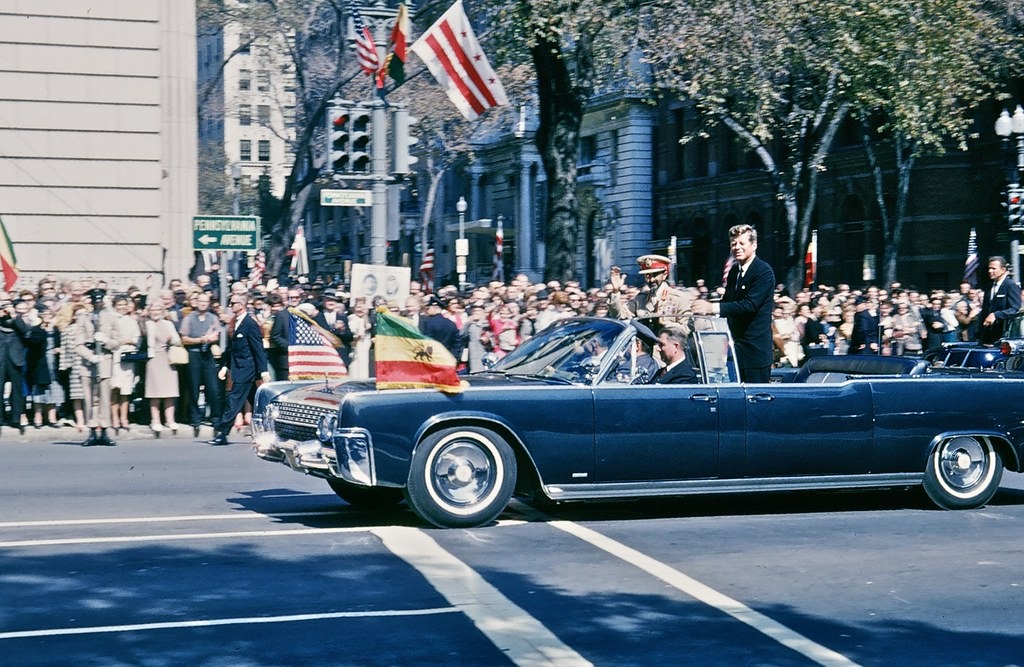
Kennedy told the crowd that the emperor was “a man whose place in history is already assured,” and recalled his appearance before the League of Nations in the mid 1930s, which, he said, “so stirred the conscience of the world.”
The president also praised the emperor’s support for the United Nations and “his leadership in building a community of free and independent states in Africa.” He noted that since the emperor’s previous visit to the United States, 29 independent countries had appeared on the world scene.
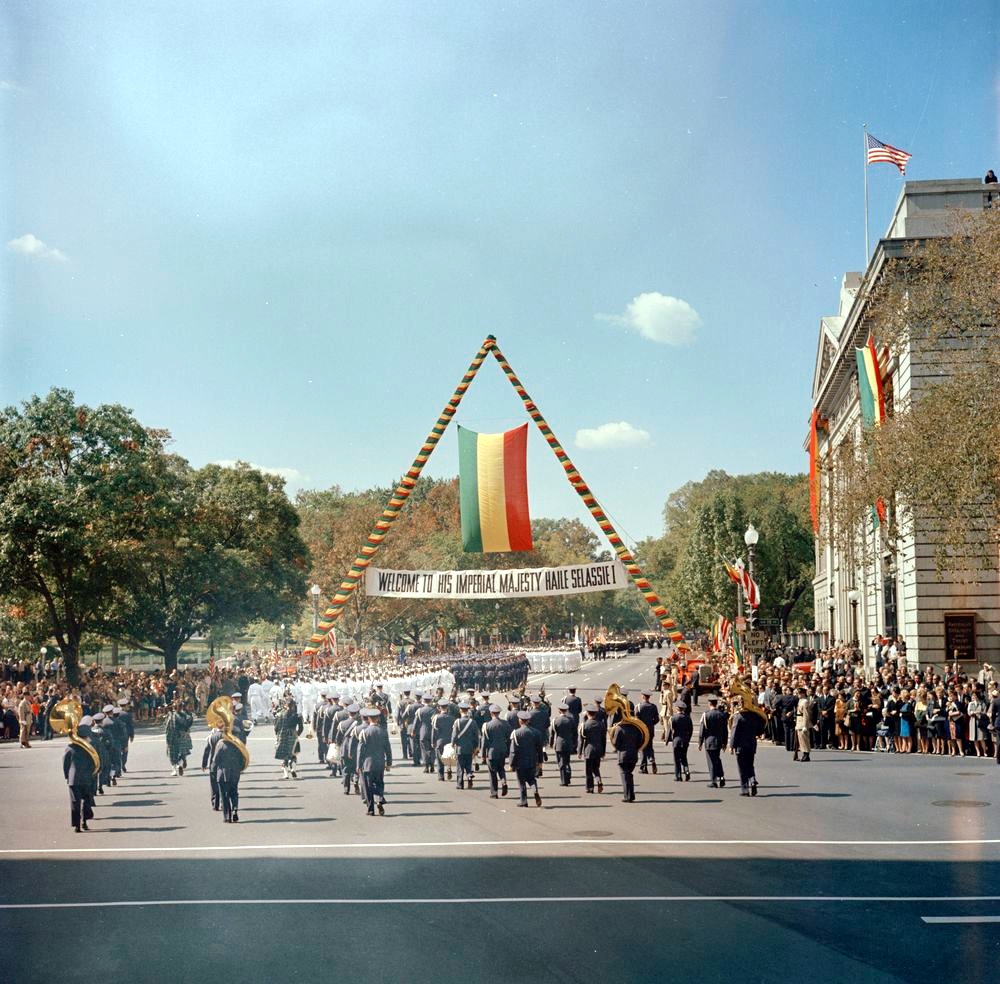
In his reply, Haile Selassie said he had visited the United States ten years earlier and had returned “to meet the leaders of America in 1963” and to strengthen the ties of friendship and cooperation between Ethiopia and the United States.
The John F. Kennedy Presidential Library holds White House photographs of the arrival ceremony, along with an audio recording of Kennedy’s welcome, which runs 3 minutes and 8 seconds.
Who was the emperor Kennedy welcomed?
Haile Selassie I was born Tafari Makonnen on 23 July 1892 near Harer, according to Encyclopaedia Britannica. He served as regent from 1916, assumed the title negus in 1928 and was crowned emperor on 2 November 1930, taking the name Haile Selassie, meaning “Might of the Trinity”. In 1923 he secured Ethiopia’s admission to the League of Nations, and in 1924 he visited Jerusalem, Rome, Paris and London, becoming the first Ethiopian ruler ever to go abroad, Britannica records.
The Geneva speech Kennedy remembered
When Kennedy recalled the emperor’s appearance before the League of Nations, he was referring to the events of 1935 and 1936. Britannica says that when Italy invaded Ethiopia in 1935, Haile Selassie led the resistance, was forced into exile in May 1936, and appealed to the League in a speech in Geneva on 30 June 1936. British and Ethiopian forces entered Ethiopia in January 1941 and recaptured Addis Ababa several months later, and he was restored to the throne.
Why 1963 mattered
The Washington visit came in the same year that Haile Selassie played a very important role in establishing the Organization of African Unity, now the African Union, with Addis Ababa becoming its major centre, according to Britannica. That background explains Kennedy’s praise for his leadership in building a community of independent African states.
What came after
His reign lasted until 1974, when famine, unemployment and political stagnation led parts of the army to mutiny, Britannica says. The military government known as the Derg deposed him and kept him under house arrest in his palace. He died on 27 August 1975; official sources at the time cited natural causes, but evidence later emerged suggesting he had been strangled on the orders of the military government, Britannica reports.
The photographs of crowds on Pennsylvania Avenue therefore capture the emperor near the height of his international standing, a decade before the end of the monarchy.
Sources
- The American Presidency Project, Remarks of Welcome at Union Station to Haile Selassie, Emperor of Ethiopia, 1 October 1963
- John F. Kennedy Presidential Library, White House Photographs: Arrival ceremony for Haile Selassie I, Emperor of Ethiopia, 1 October 1963
- Encyclopaedia Britannica, Haile Selassie I