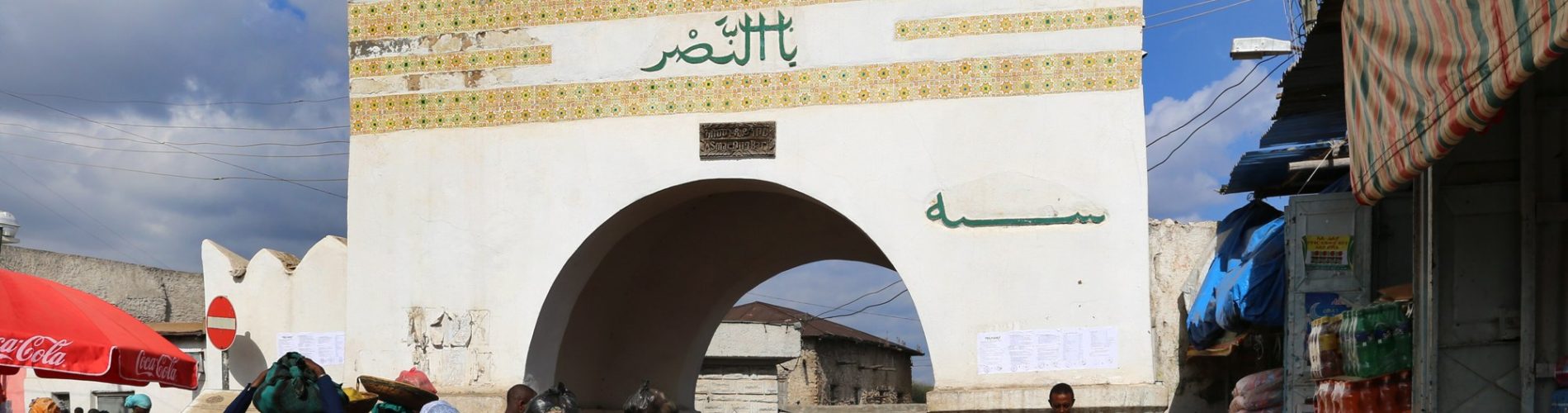
On a plateau in eastern Ethiopia, cut by deep gorges and ringed by desert and savannah, stands Harar Jugol, the fortified old town of Harar. According to the UNESCO World Heritage Centre, the walls around it were built between the 13th and 16th centuries, and the town was added to the World Heritage List in 2006. Encyclopaedia Britannica calls the old town Ethiopia’s only walled city.
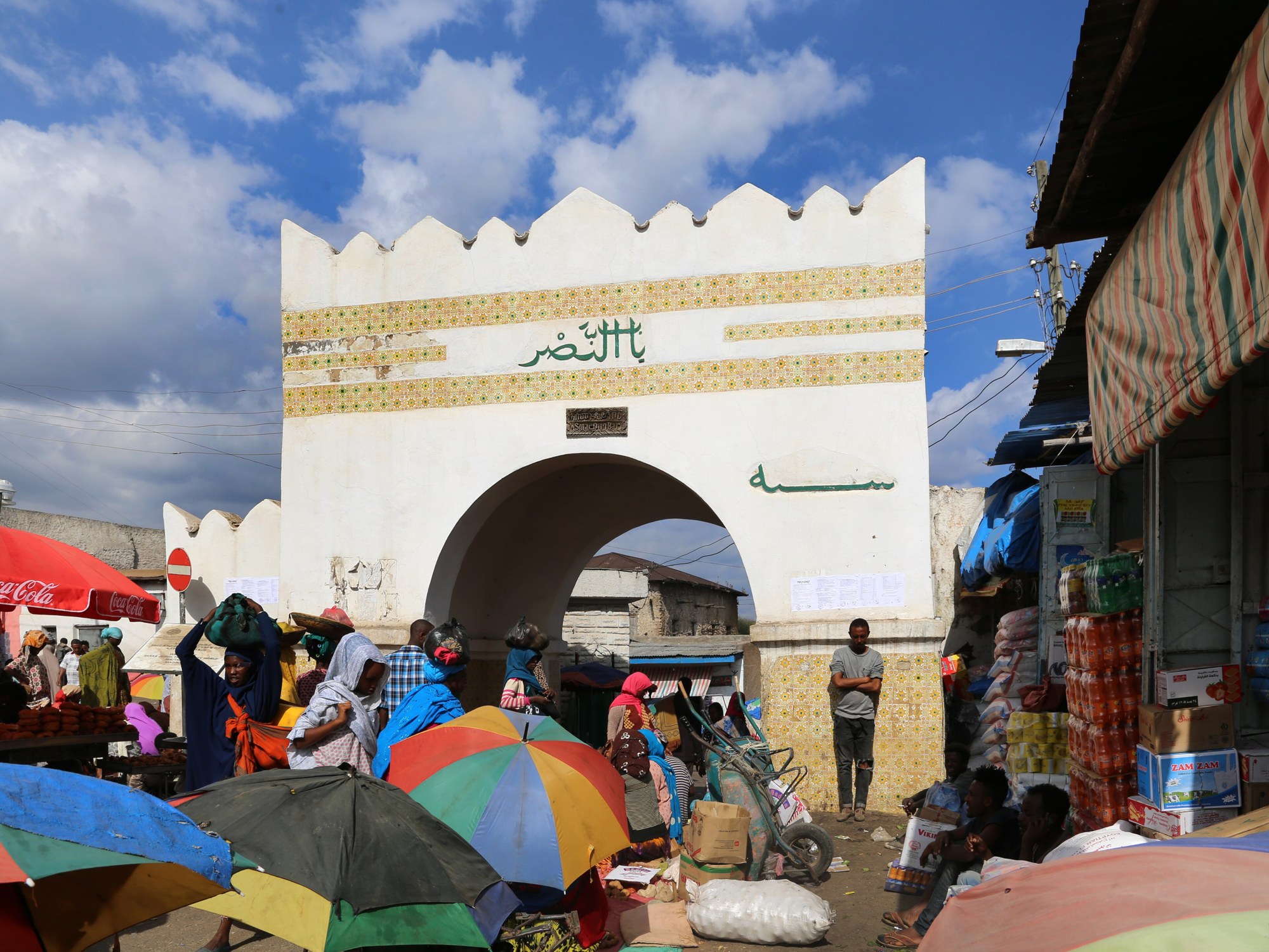
A city of gates and mosques
UNESCO lists five historic gates; Britannica counts six. Inside, UNESCO lists 82 mosques, three of them dating from the 10th century, and 102 shrines. It notes that Harar is considered “the fourth holy city” of Islam. The protected core covers 48 hectares, and the town is 525 kilometres from Addis Ababa.
Capital, emirate and trading town
Britannica says Harar was probably founded in the 7th century by immigrants from Hadramawt in southern Arabia, and that it became the capital of the Muslim state of Adal. UNESCO dates its role as capital of the Harari Kingdom to 1520 to 1568, and says it became an independent emirate in the 17th century. From the late 16th century to the 19th century it was an important trade centre between the coast and the highlands and a place of Islamic learning.
The British explorer Richard Burton, whom Britannica calls the first European visitor, described the city in First Footsteps in East Africa (1856). The French poet Arthur Rimbaud lived there as a trader from 1880 to 1891. After Egyptian occupation from 1875 to 1885, Harar was taken in 1887 by Menelik II, then king of Shewa. Ras Makonnen became governor, and in 1910 his son, the future Emperor Haile Selassie I, took the governorship.
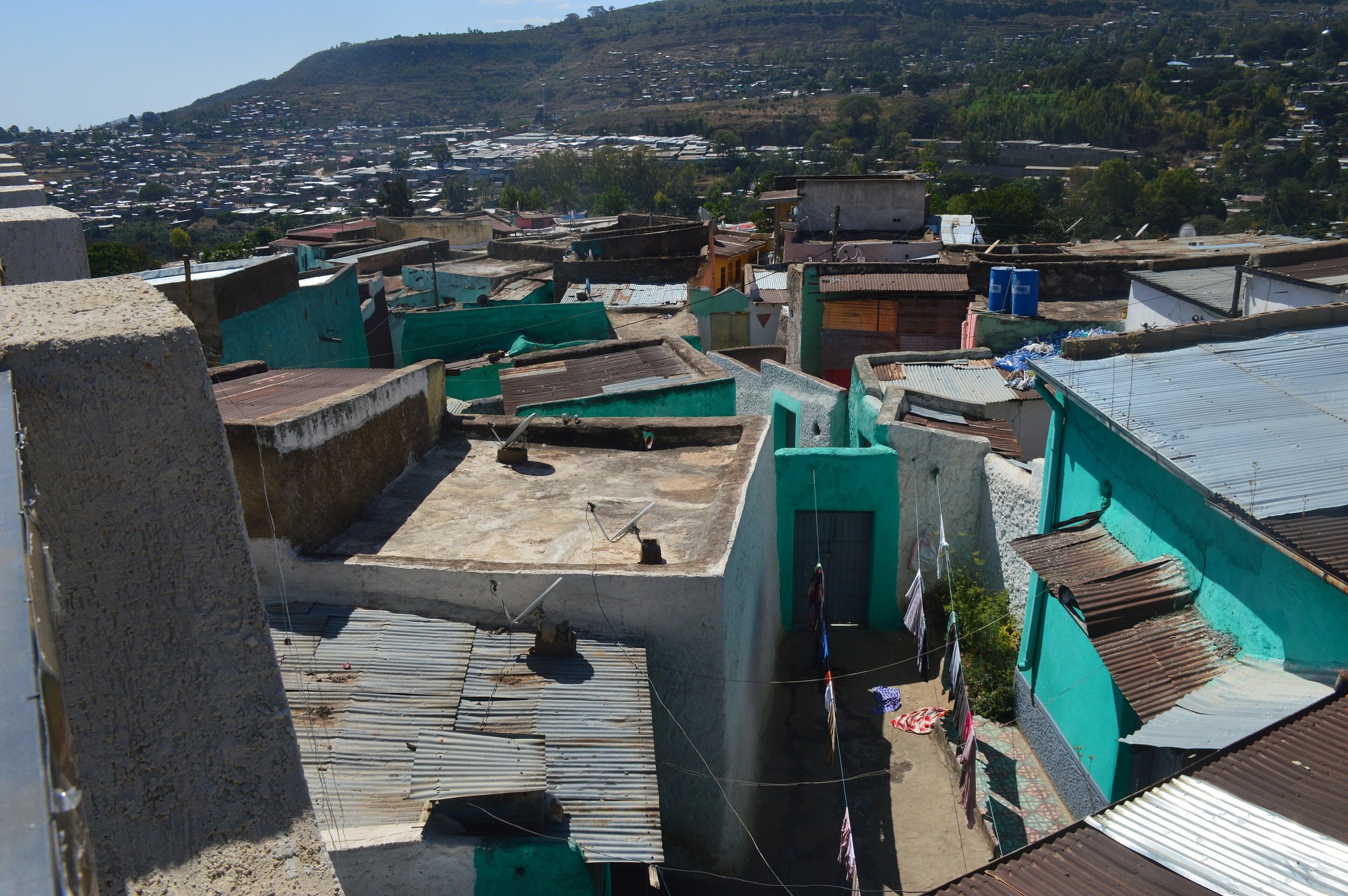
The Harari house
For UNESCO, the townhouses are the most spectacular part of Harar’s heritage. The traditional Harari house has a form distinct from homes elsewhere in the Muslim world, while Indian merchants who settled after 1887 added houses with wooden verandas. The Harari people are known for weaving, basket making and book binding. UNESCO warns that plastering, metal doors and other modern changes threaten the town’s authenticity, and that urban growth on the western edge is a concern.