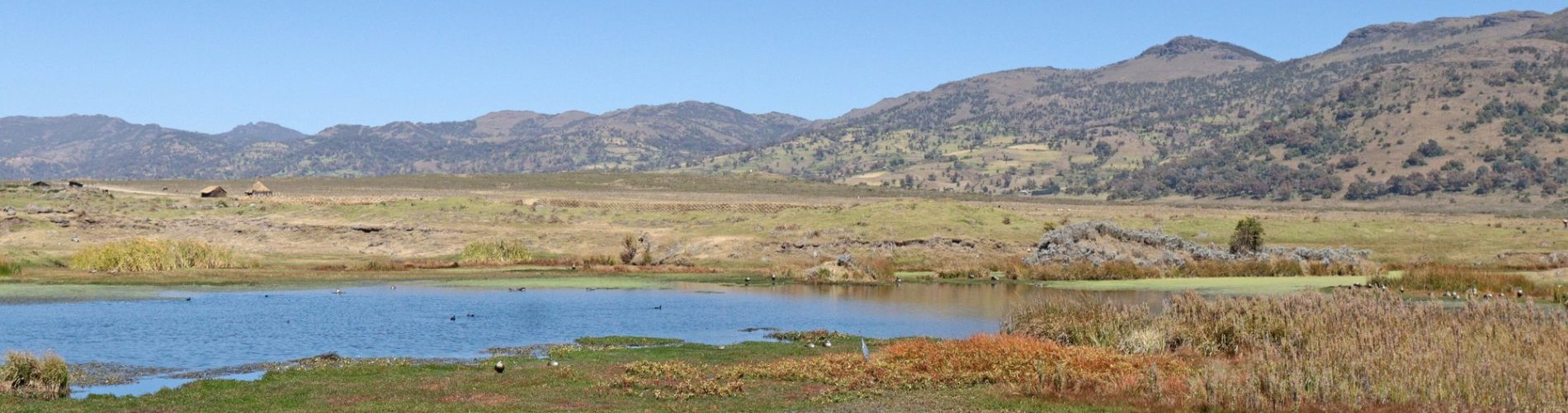
In the highlands of southeastern Ethiopia, a high plateau of moorland and glacial lakes drops away into one of the largest natural forests in the country. This is Bale Mountains National Park, which the UNESCO World Heritage Centre added to the World Heritage List in 2023 for its natural beauty and its biodiversity. According to UNESCO, the park covers 215,000 hectares in the heart of the mountain massif of Bale and Arsi in Oromia, and it is ringed by a buffer zone of 235,121 hectares. UNESCO notes that, building on much earlier conservation efforts, the park has been legally protected and demarcated since 2014.
The roof of the plateau
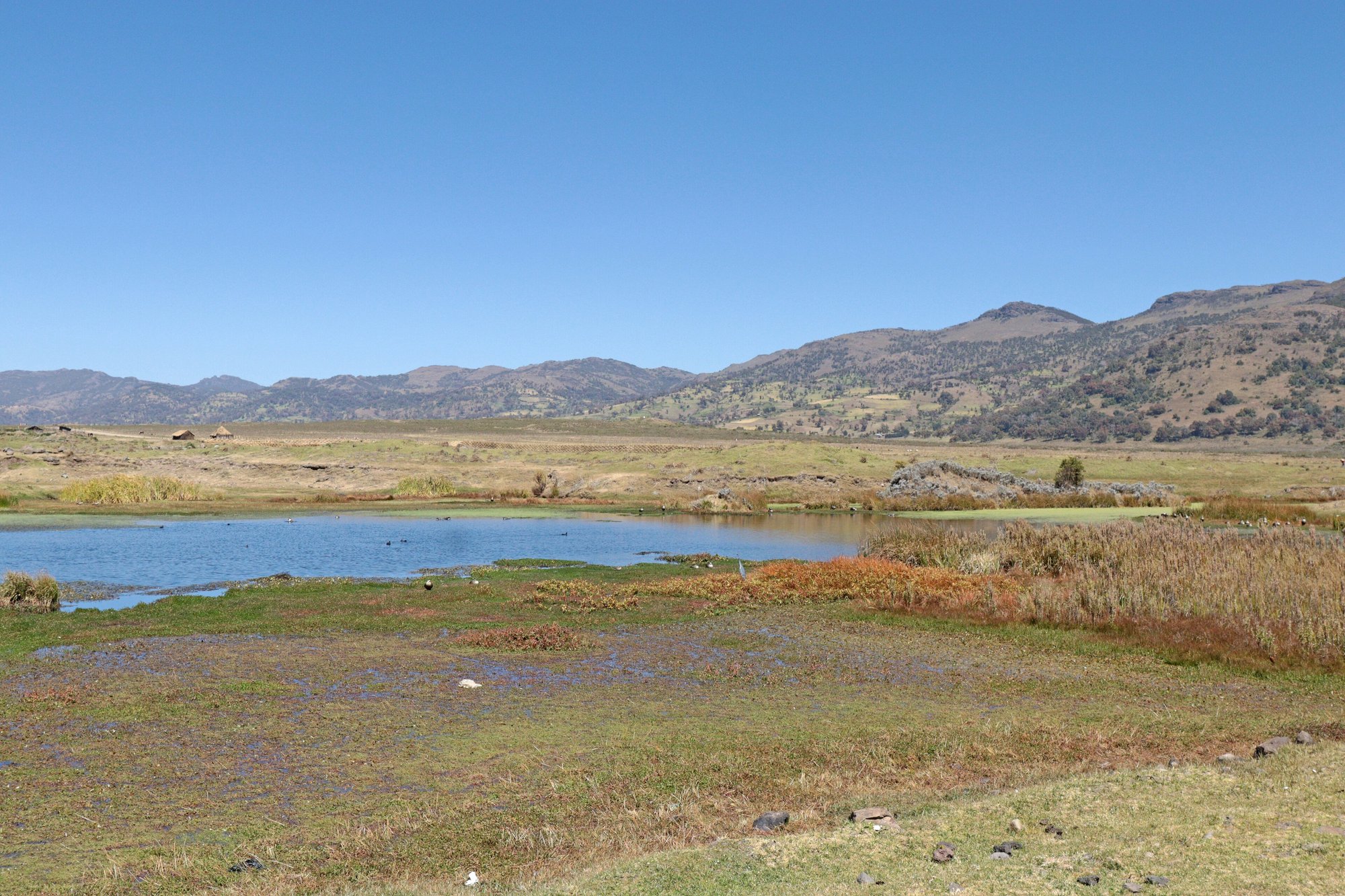
UNESCO says the park holds the largest area of Afroalpine habitat in Africa above 3,000 metres, with numerous glacial lakes, wetlands and moorlands. Volcanic ridges rise above the plateau, most prominently Tullu Dimtu, which UNESCO gives as the second highest peak in Ethiopia at 4,377 metres. On the Sanetti Plateau, UNESCO writes, giant lobelias break the skyline above stunted vegetation, and unusual grooves in the boulders on the gentle hillsides remain an enigma to geologists and glaciologists.
Home of the Ethiopian wolf
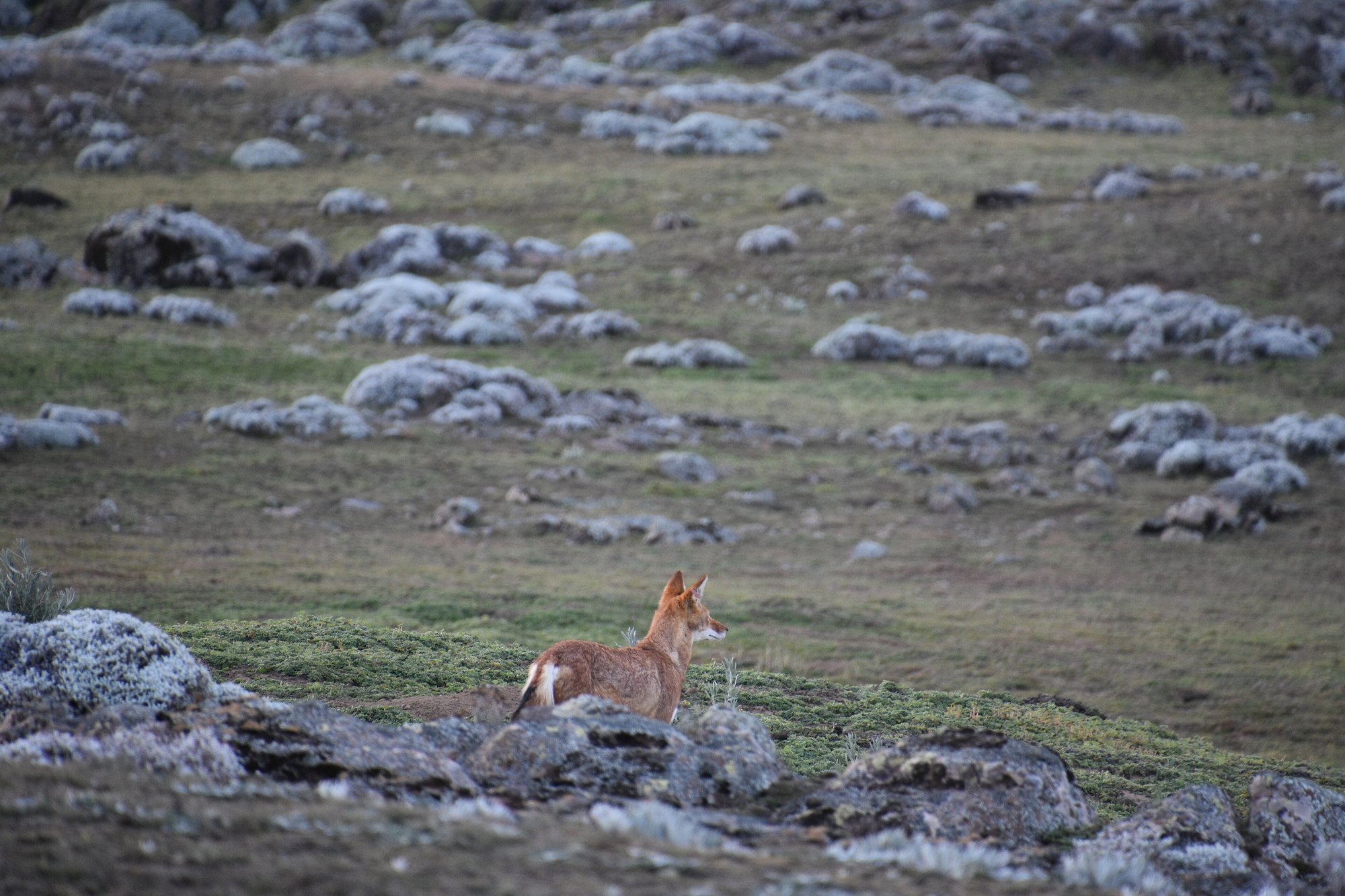
UNESCO describes the park as home to the most important population of the Ethiopian wolf. The Ethiopian Wolf Conservation Programme calls it the rarest canid in the world and says the wolves are found only in the mountains of Ethiopia, where some 500 survive in small populations threatened by habitat loss and disease. The IUCN Red List lists the species as Endangered, in an assessment last made in 2011. According to UNESCO, the park also shelters an estimated two thirds of the world population of the mountain nyala, which UNESCO describes as endemic to the area, and the Bale monkey, which it says is restricted to the bamboo belt of the Bale Mountains and the Sidamo Highlands.
Down into the Harenna Forest
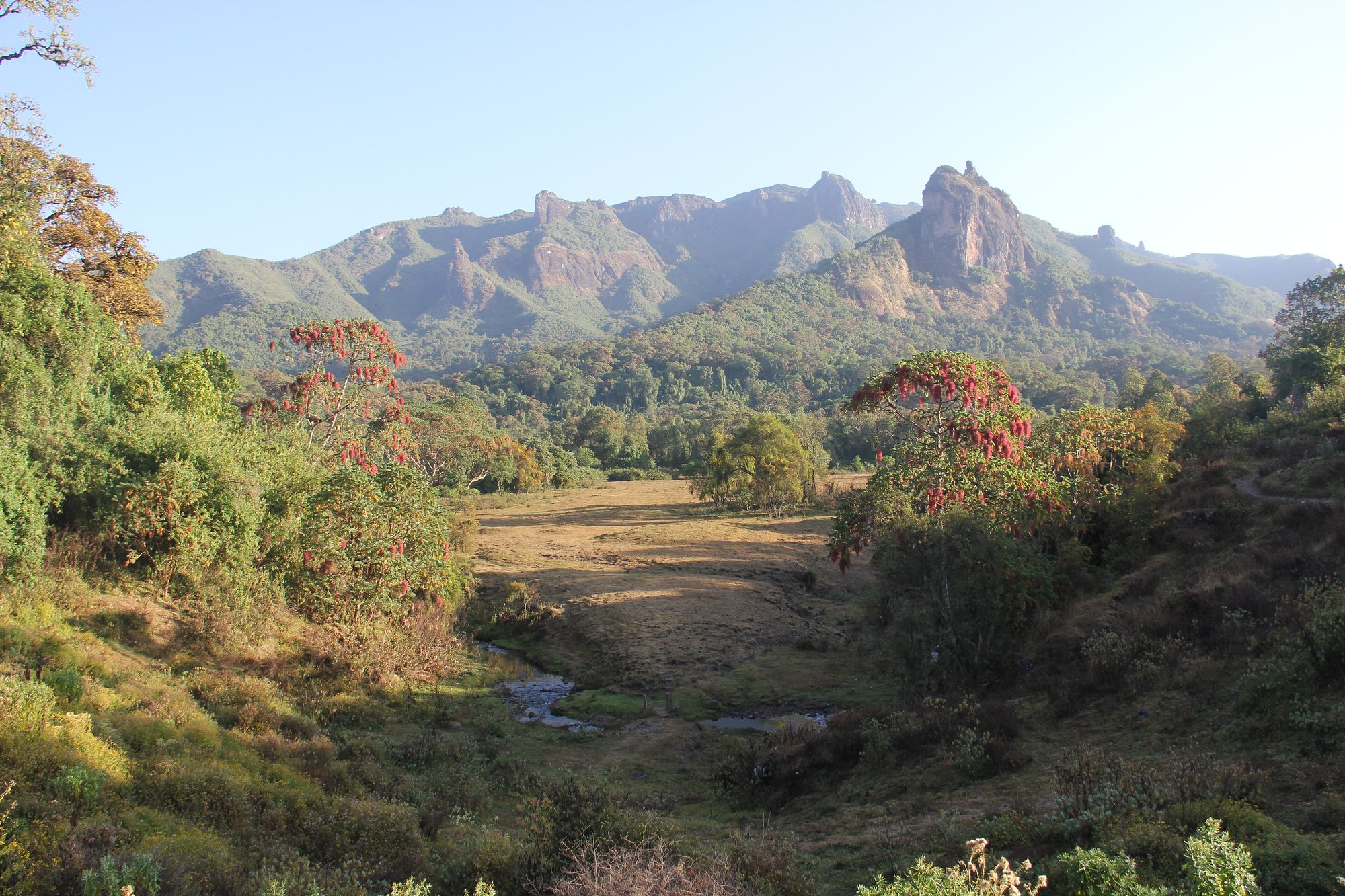
From the plateau the land falls almost 2,900 metres to about 1,500 metres in the Harenna Forest. UNESCO calls the Harenna, together with the neighbouring Mena Angetu, the second largest moist tropical forest in Ethiopia, with the last patches of cloud forest in the country. It describes a misty forest of huge trees and moss draped branches where wild coffee and medicinal plants grow. UNESCO counts 1,660 species of flowering plants in the park, 177 of them endemic to Ethiopia and 31 found only in the Bale Mountains, along with 79 mammal species and 363 bird species.
Water for millions, and pressure on the land
Five major rivers rise within the park, and UNESCO estimates that they supply water and support the livelihoods of millions of people in and beyond Ethiopia. UNESCO also warns that the conservation values of the park coincide with very high pressure, from growing settlement, livestock grazing and farming within and around it, and from a road that crosses key habitats.