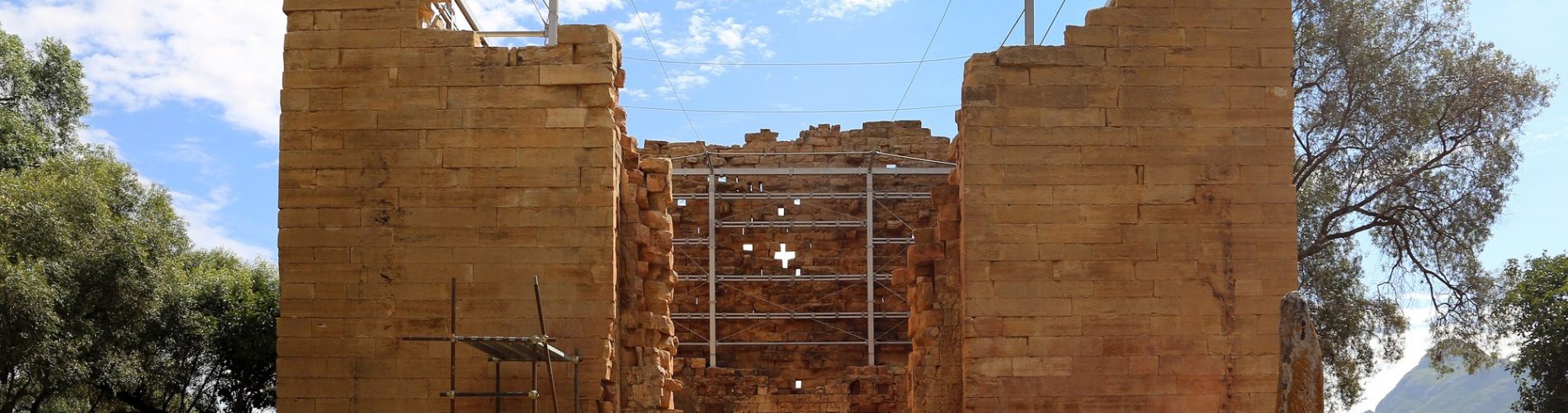
Yeha, a small town in Tigray in northern Ethiopia, holds the Great Temple, which the German Archaeological Institute dates to the 7th century BC and says was dedicated to Almaqah.
The institute places Yeha about 35 kilometres northeast of Aksum, and Ethiopia’s submission to the UNESCO Tentative List describes a fertile basin about 2,150 metres above sea level, ringed by volcanic mountains. Ethiopia’s Ministry of Culture and Tourism submitted the site, under the name The Cultural Heritage of Yeha, in March 2020.
A temple for Almaqah
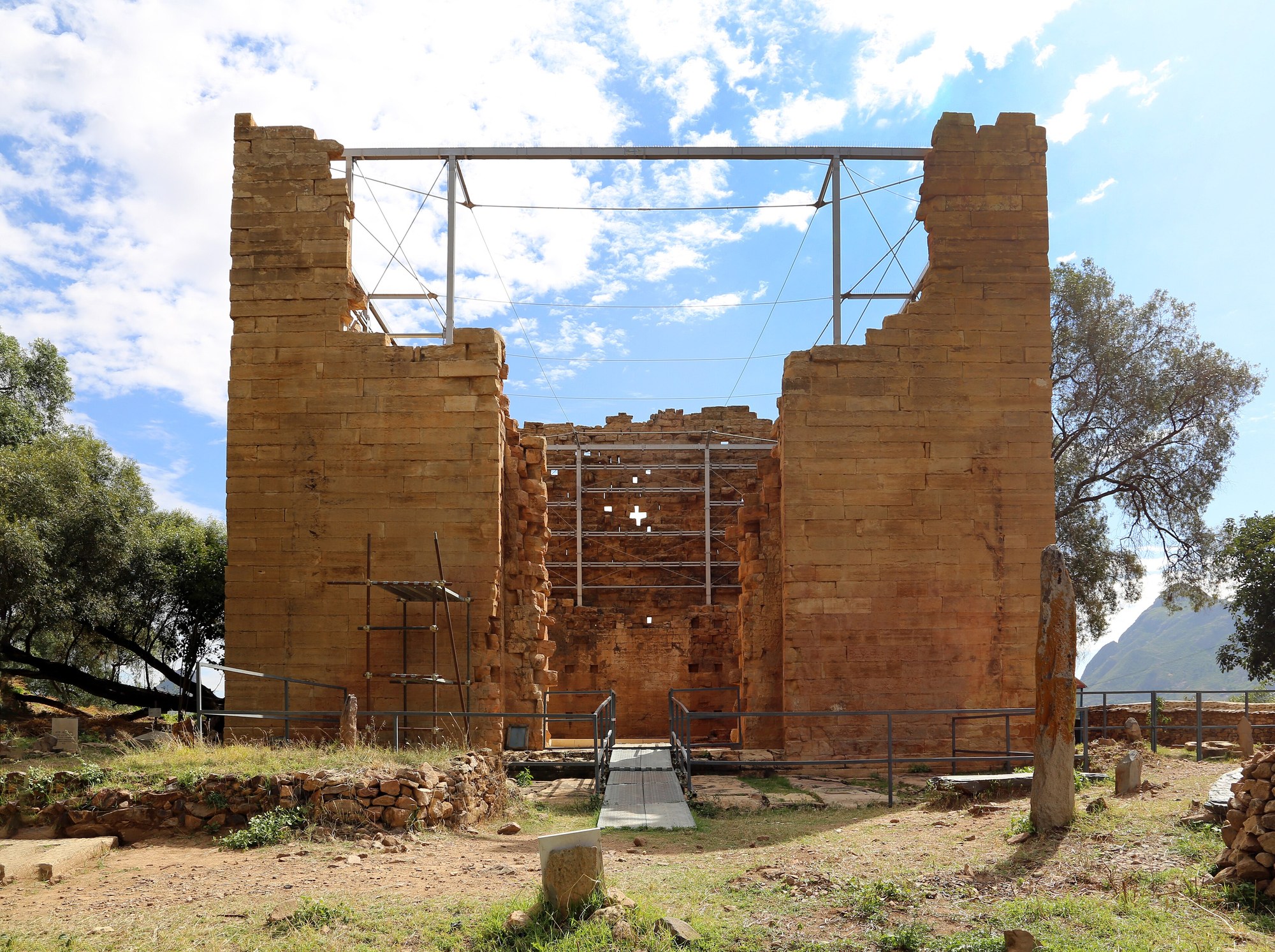
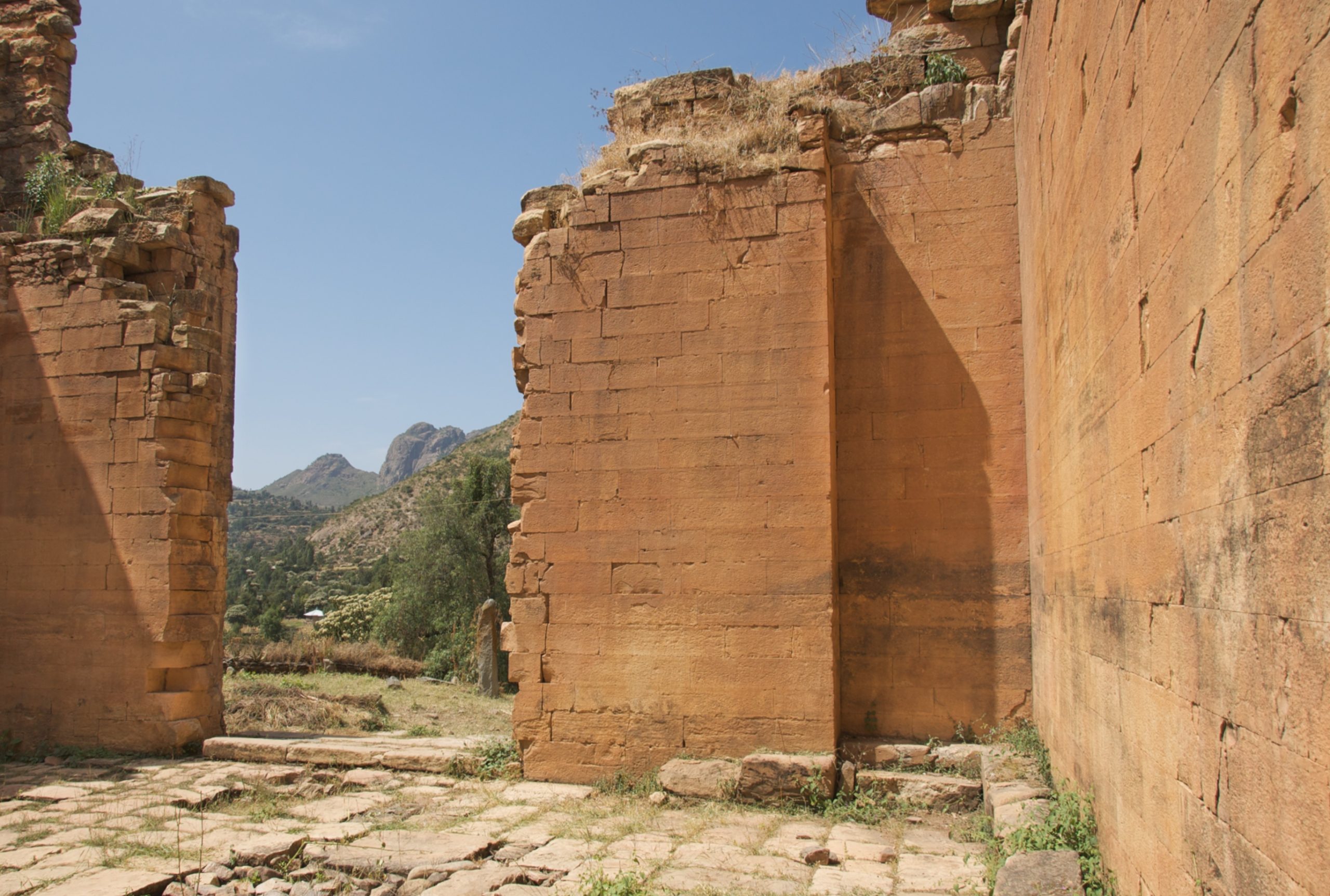
According to the German Archaeological Institute, evidence of settlement at Yeha goes back to the late second millennium BC, but the town became a regional centre only in the first millennium BC, when people of the Sabaean culture of South Arabia, in what is now Yemen, migrated across the Red Sea. The institute says the landmark of Yeha, the Great Temple, was built in the 7th century BC in the South Arabian tradition and dedicated to Almaqah, the chief Sabaean god. It stands on a rise and survives to a height of 14 metres.
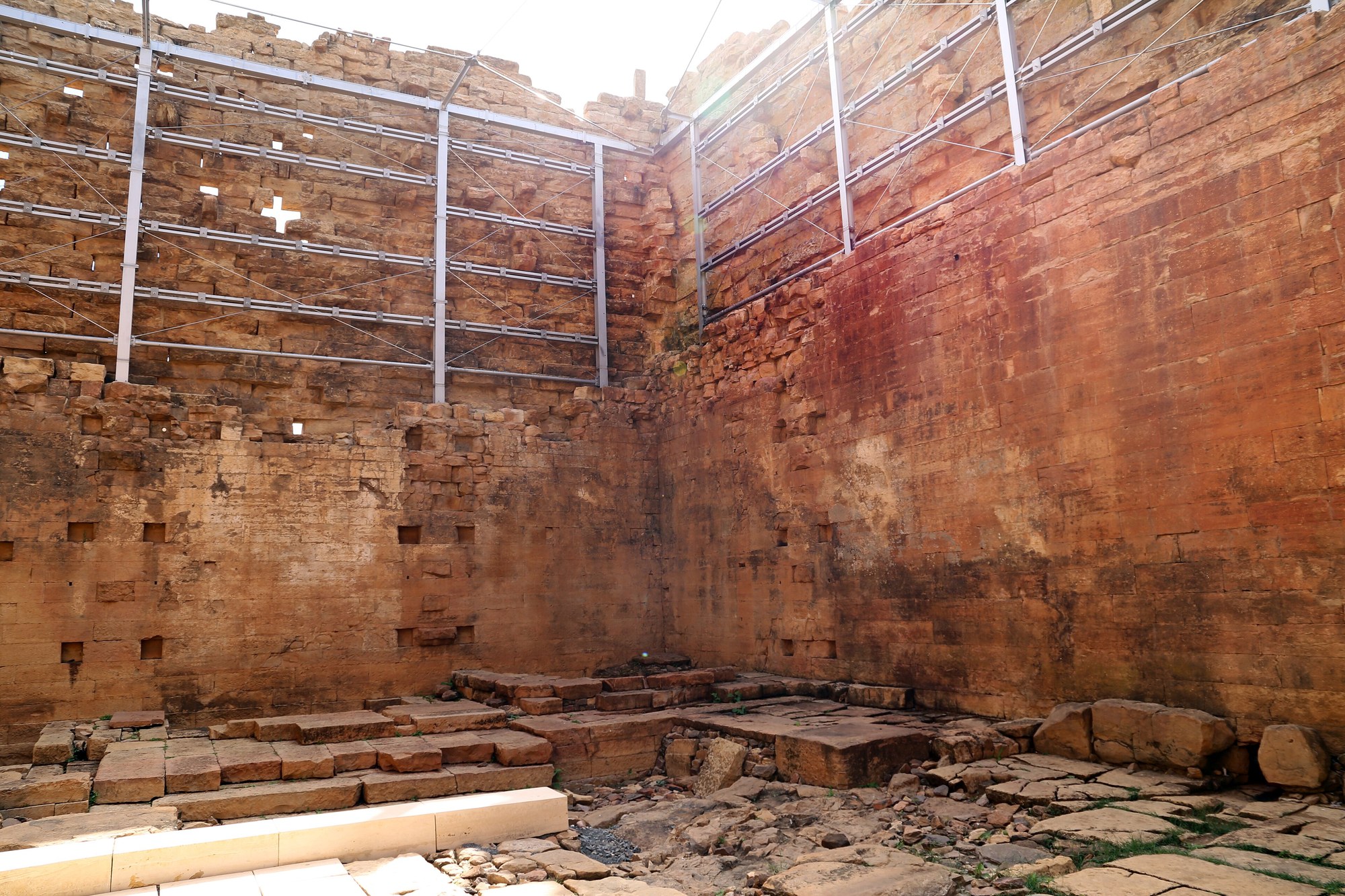
Ethiopia’s UNESCO submission gives the temple’s plan as about 18.5 by 15 metres, with a single entrance. It says the walls were laid without mortar from dressed stone blocks up to 3 metres long, and that the floor was built in five layers of cut stone. The same document says a baptistery inside the building shows that it became a monastery in the 6th century AD, and that the monastery moved to its present site nearby early in the 20th century. The German Archaeological Institute notes that the temple remains a holy place for Ethiopian Orthodox Christians.
A palace of timber and stone
Near the temple lie the remains of a palace known as Grat Be’al Gibri. The German Archaeological Institute dates it to around 800 BC and says its walls combined wooden beams with rubble stone over a floor area of about 60 by 60 metres, which makes it the largest building of its kind so far known in East Africa and South Arabia. Yeha’s cemeteries hold shaft tombs cut straight down into the rock, leading to burial chambers that held several people, possibly families, with many grave goods. Ethiopia’s submission credits the French archaeologist Francis Anfray with excavating the Da’ero Mikael tombs in the 1960s and 1970s.
Fire and recovery
A 2022 booklet by Sarah Japp, Marlene Köster, Mike Schnelle and Aley Woldesilassie Woldegebriel says a great fire around the middle of the first millennium BC damaged Yeha’s monumental buildings. Its cause is still unknown, the authors write, and no inscriptions in South Arabian script or Sabaean style monuments appear in the region after it. The German Archaeological Institute says the settlement grew again in the early first millennium AD, as the Aksumite kingdom rose to power. A joint Ethiopian and German project, run by the institute with Friedrich Schiller University Jena and Ethiopian heritage authorities, excavates and conserves the site, and since 2016 the German Research Foundation has funded it as a long term project.
Sources
- UNESCO World Heritage Centre, Tentative List: The Cultural Heritage of Yeha (submitted by Ethiopia, 2020)
- German Archaeological Institute, TransArea Network Africa: Archaeological Research in Yeha
- Sarah Japp, Marlene Köster, Mike Schnelle and Aley Woldesilassie Woldegebriel, Yeha, Ethiopia: Long Term Archaeological Research on Cultural Contacts and Heritage Practice, German Archaeological Institute, 2022
- German Archaeological Institute, Yeha, Äthiopien (project report)