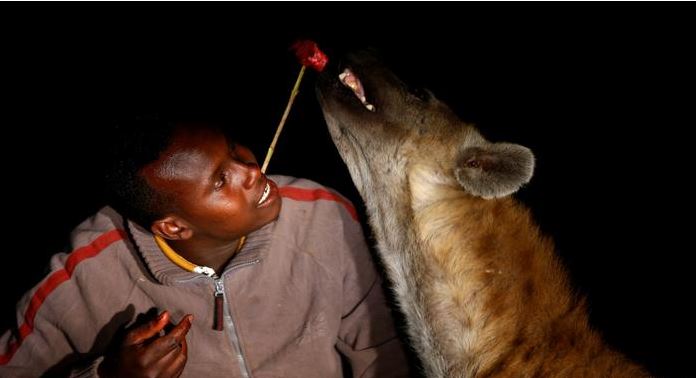
Hyenas are feared in many places. In the walled city of Harar in eastern Ethiopia, people and hyenas live side by side.
Abbas Yusuf is known as one of Harar’s hyena men. He learned to feed the hyenas from his father, Yusuf Mume Salleh, who fed them for 45 years, Reuters reported. Hyenas roam the streets of the walled city each night looking for scraps of meat, according to Reuters.
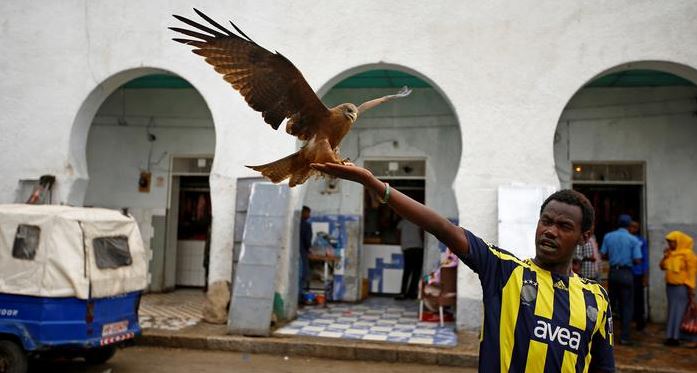
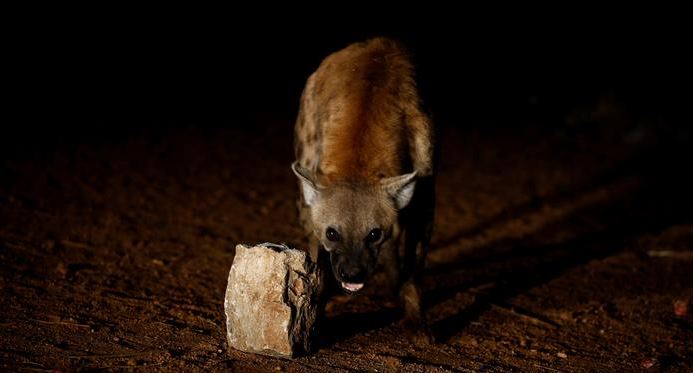
The hyenas also help clean up the city by eating rubbish and dead animals, and people in Harar tend not to kill them as happens elsewhere, NPR reported in 2019.
The walled city
Harar Jugol, the fortified historic town, was inscribed on the UNESCO World Heritage List in 2006. According to UNESCO, its walls were built between the 13th and 16th centuries, and the city is considered “the fourth holy city” of Islam. BBC News notes that most Muslims do not share this view. Harar Jugol numbers 82 mosques, three of which date from the 10th century, and 102 shrines, along with townhouses with unique interior designs, UNESCO says.
From the late 16th century to the 19th century Harar was an important trade centre between the coast and the interior highlands and a place of Islamic learning, and its urban layout still follows a 16th century design, according to UNESCO.
The hyena men
Reuters also reported that the hyenas live in caves outside the city.
Biniam Ashenafi, one of several local volunteers who feed the hyenas, described a local belief to BBC News: “We don’t call them hyenas. We call them young priests. Every new year in the Arabic calendar, we have a porridge feast for them in the four corners of the city. If they come and accept our offer, it means we will have a good future. If they refuse, it is a bad omen.”
Why it matters
In many places hyenas are feared. In Harar, a long relationship between people and animals has become part of the city’s identity and a draw for visitors, alongside the walls, mosques and shrines that UNESCO recognises.