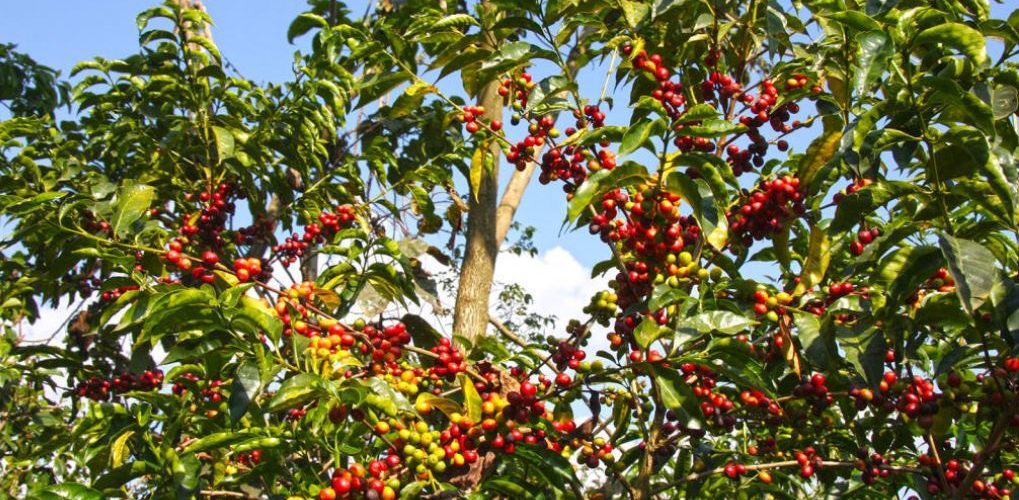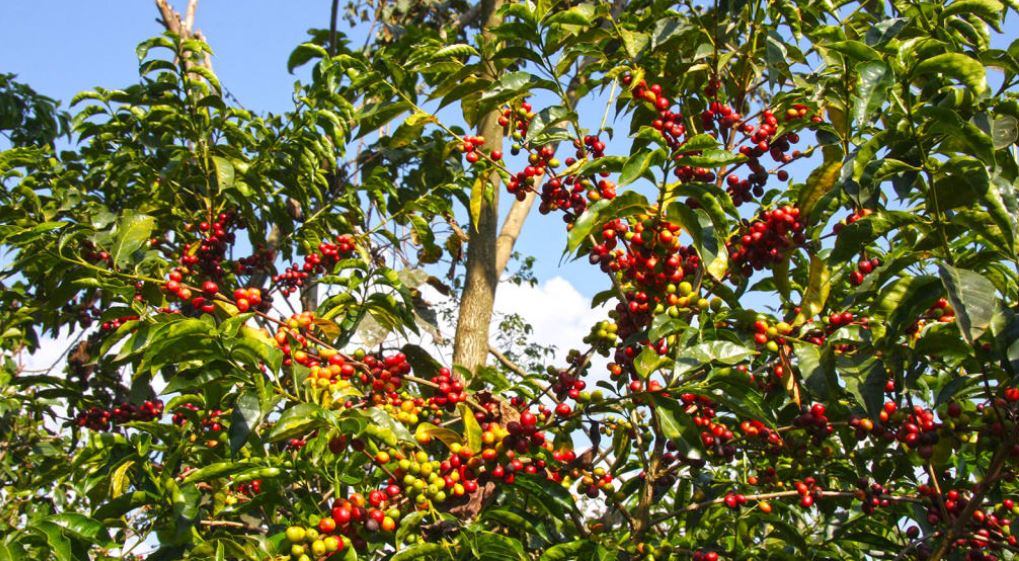
Coffee is one of the world’s most popular drinks, and its story begins in the forests of southwestern Ethiopia.
Kafa and wild Arabica
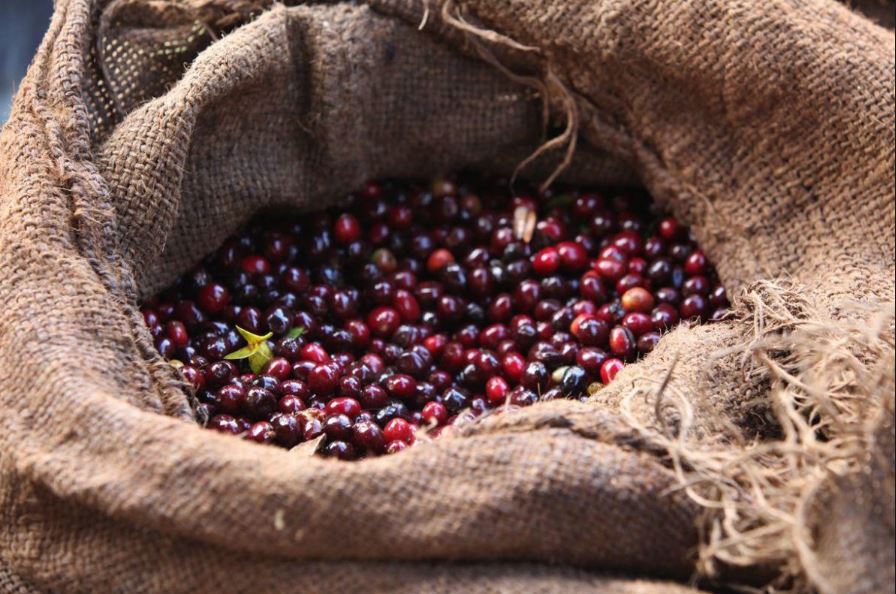
The Kafa Biosphere Reserve in southwestern Ethiopia protects montane forests where wild Coffea arabica grows. UNESCO recognises the area for its wild Arabica genetic diversity. The name of the region, Kafa, is often linked to the word coffee, though the connection is a popular tradition rather than an established fact.
The legend of Kaldi
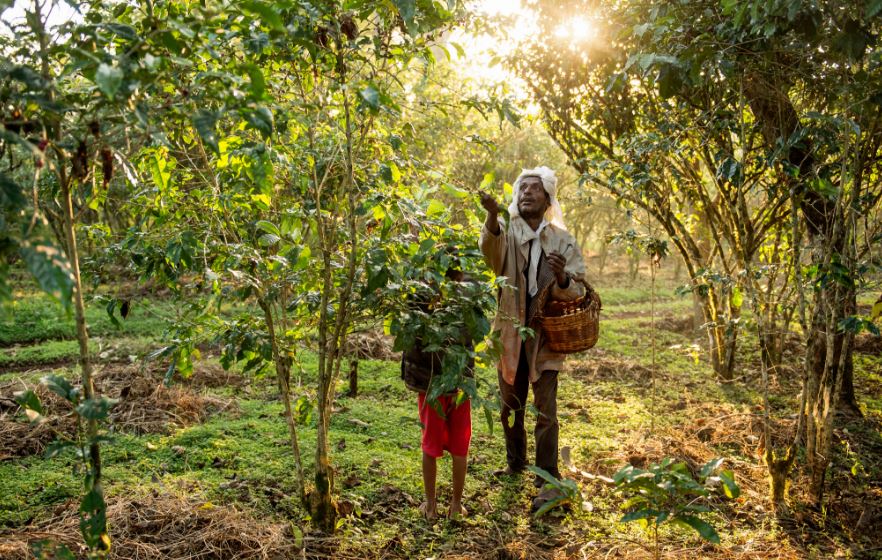
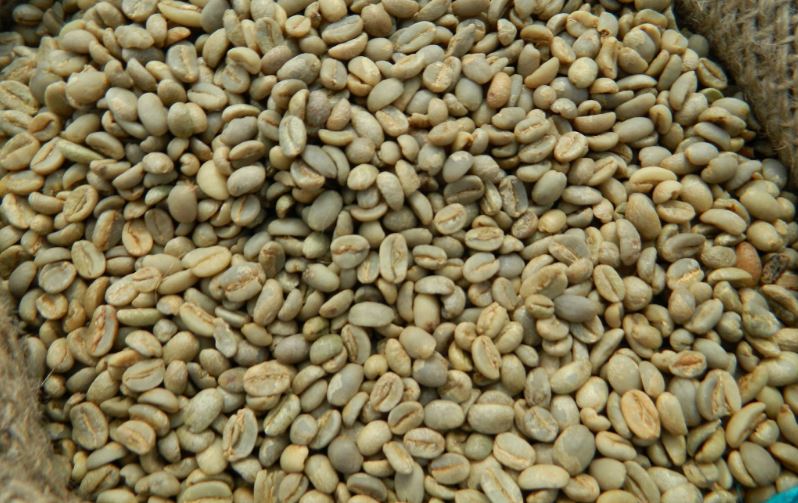
A well known legend tells of a goatherd named Kaldi who noticed his goats becoming lively after eating red berries from an unfamiliar shrub. It is a story, not a documented event, and its date and place cannot be confirmed.
The coffee ceremony
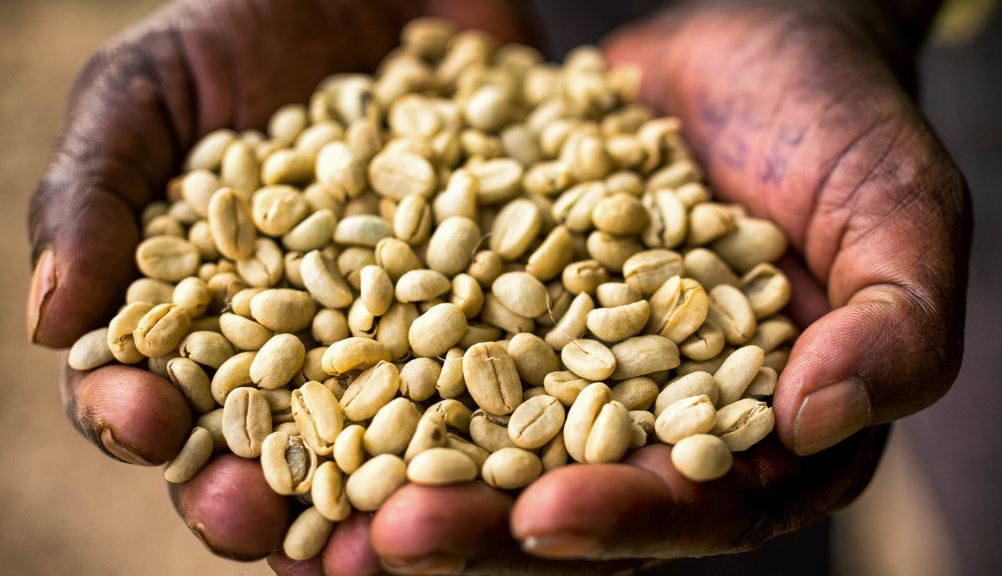
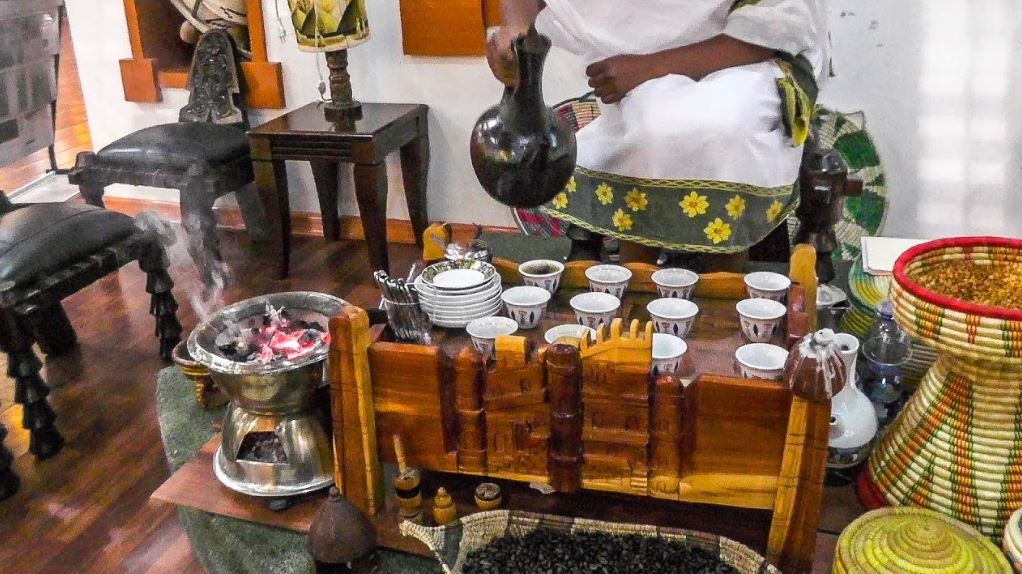
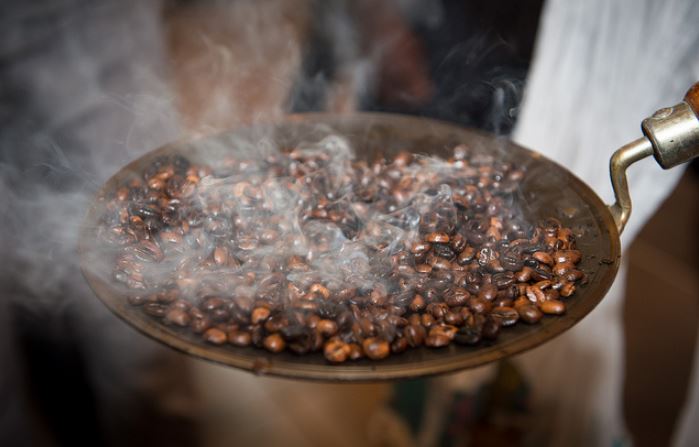
In Ethiopian homes, coffee is often prepared in a ceremony. Green beans are roasted in a pan over heat, ground, and brewed in a clay pot called a jebena, then served in small cups. The photographs below show each stage.

The Kafa Biosphere Reserve
The Kafa Biosphere Reserve, nominated in 2010, lies about 460 km southwest of Addis Ababa and covers more than 760,000 hectares. UNESCO describes Kafa as the birthplace of wild Arabica coffee, with close to 5,000 wild varieties of the plant. The Kafa Zone contains more than half of Ethiopia’s remaining montane forests and is the centre of origin and genetic diversity of wild Coffea arabica, UNESCO says. Its wetlands are important breeding grounds for birds such as the wattled crane and the black crowned crane.
Coffee and a changing climate
Coffee farming supports around 15 million farmers in Ethiopia and generates about a quarter of the country’s export earnings, according to a study by scientists from the Royal Botanic Gardens, Kew and Ethiopian partners, published in Nature Plants in June 2017. The study projected that 39 to 59 per cent of the current growing area could become unsuitable for coffee because of climate change without significant intervention. Moving coffee farming to new areas, combined with protecting or restoring forest, could increase the suitable area at least fourfold, the authors found.