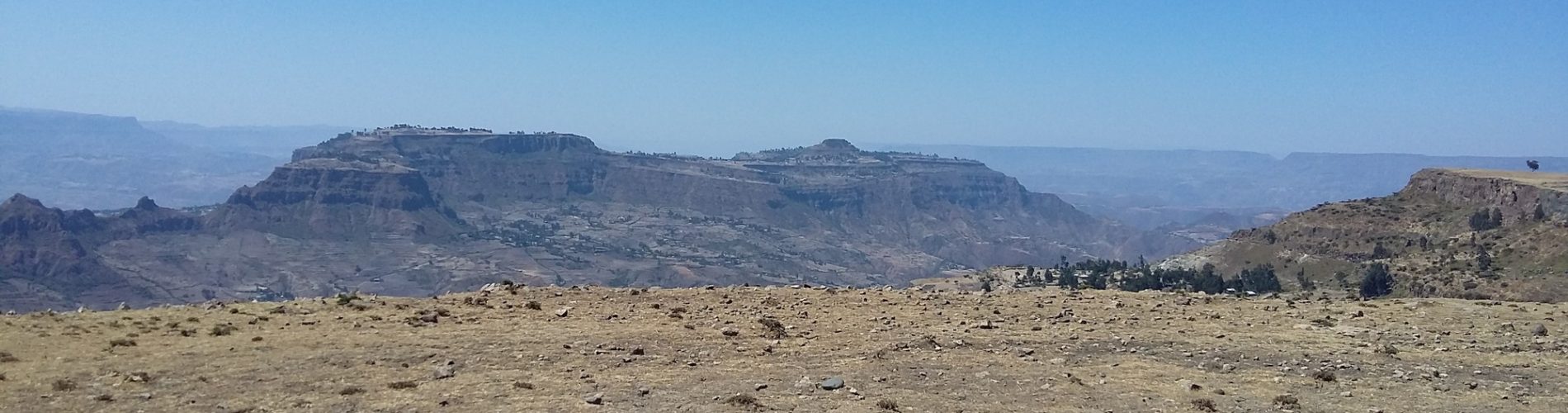
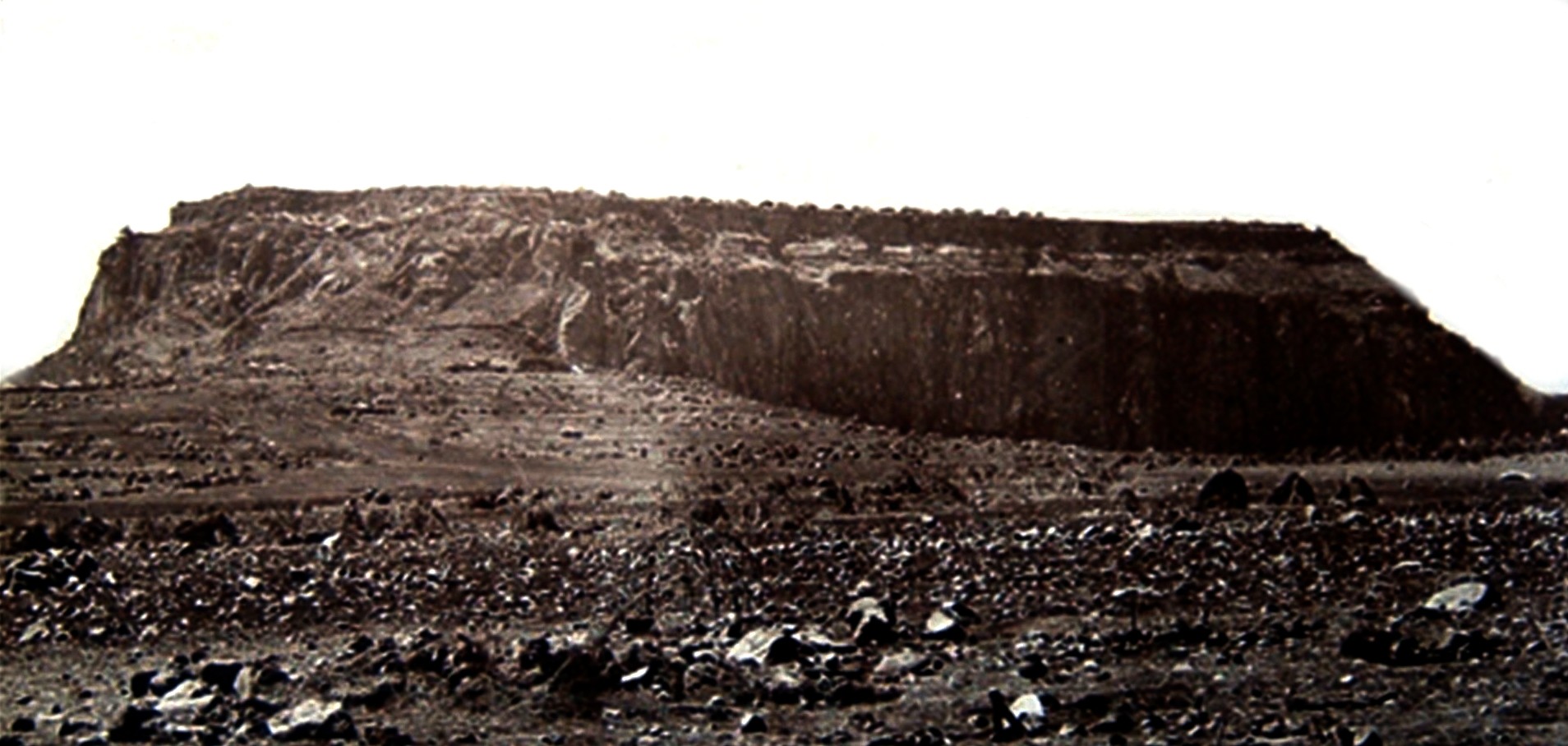
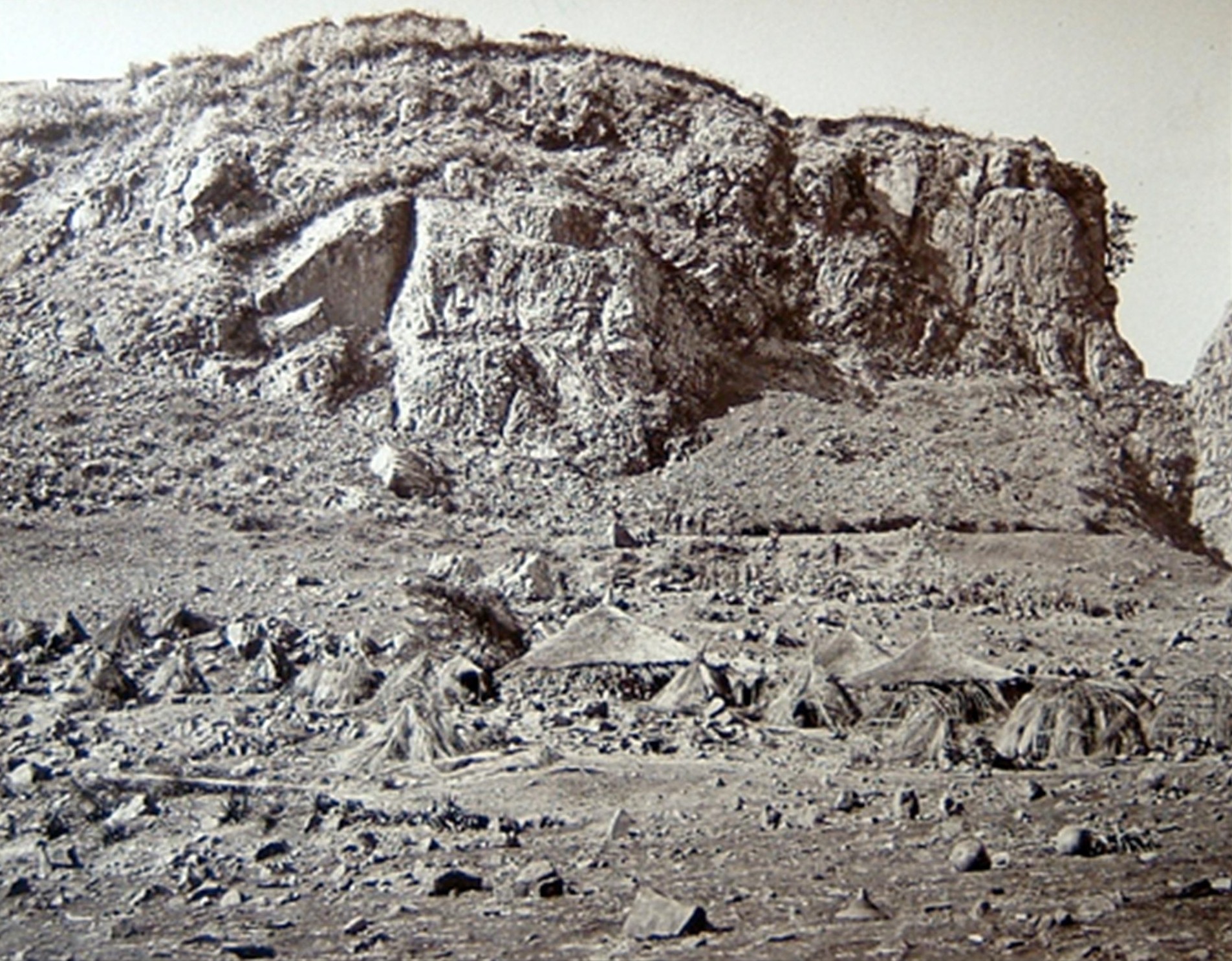
On a mountain in northern Ethiopia, Emperor Tewodros II built the fortress of Maqdala, and there he died in April 1868. Photographs from that month and from 2021 show the site.
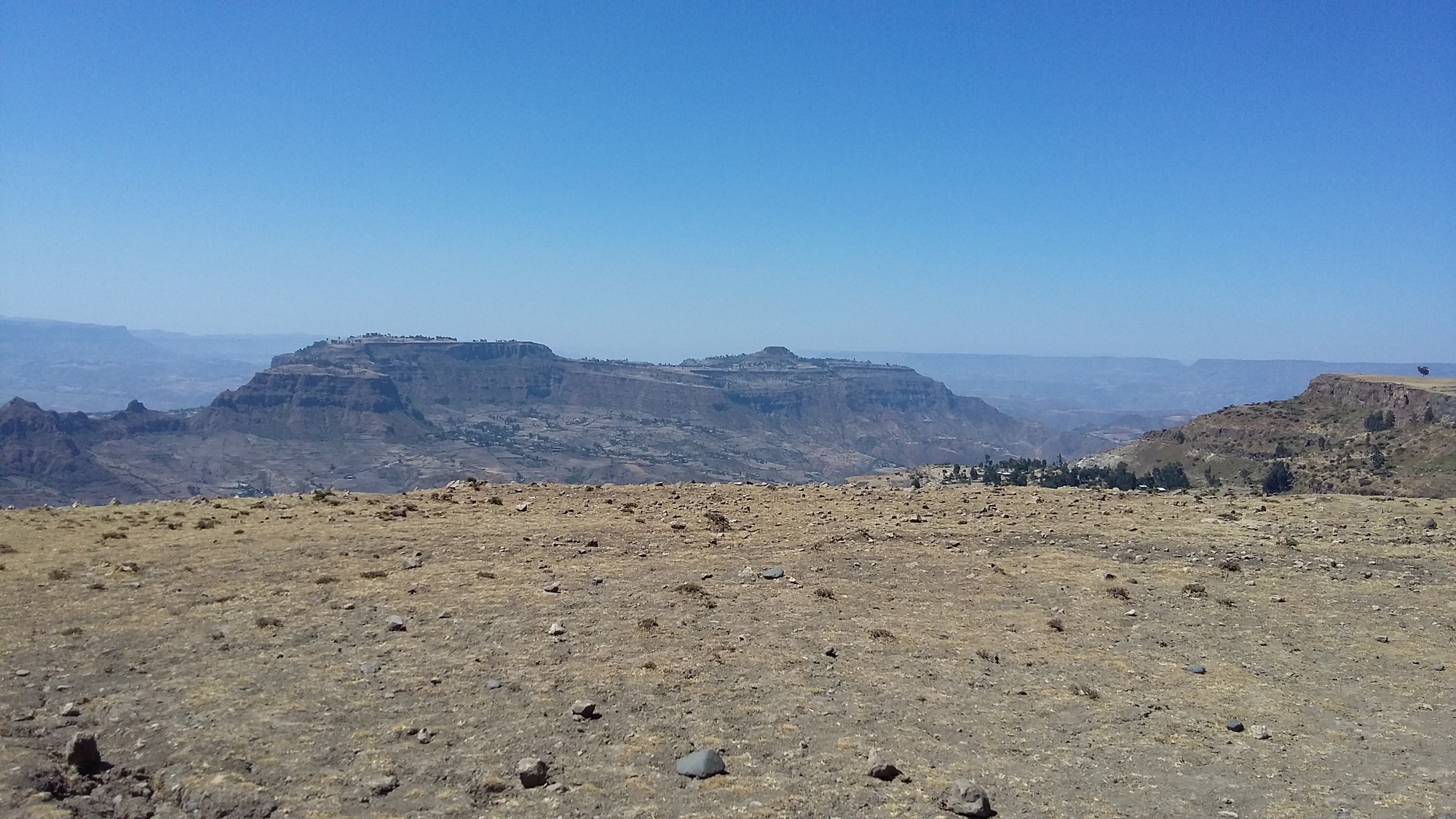
Tewodros and his mountain fortress
Tewodros II ruled Ethiopia from 1855 to 1868, and Britannica says he has been called the country’s first modern ruler. He was not born into the nobility and won the throne by fighting the regional lords. Once crowned, he set out to reunite the Ethiopian kingdoms, weaken the old feudal order and build a modern army. According to the British Museum, which holds more than 90 objects from the site, Tewodros built a fortress, a library and a treasury in the 1850s and 1860s at Maqdala, today’s Amba Mariam, an almost impenetrable mountaintop in northern Ethiopia. On his campaigns he seized books, relics and manuscripts from churches across the country, above all in Gondar, meaning to make Maqdala a seat of learning. The historian Bantalem Tadesse of the University of Gondar, who surveyed the site, writes that in Tewodros’s time the fortress could be entered only through two gates, Kokit Ber on the west and Kafir Ber on the east.
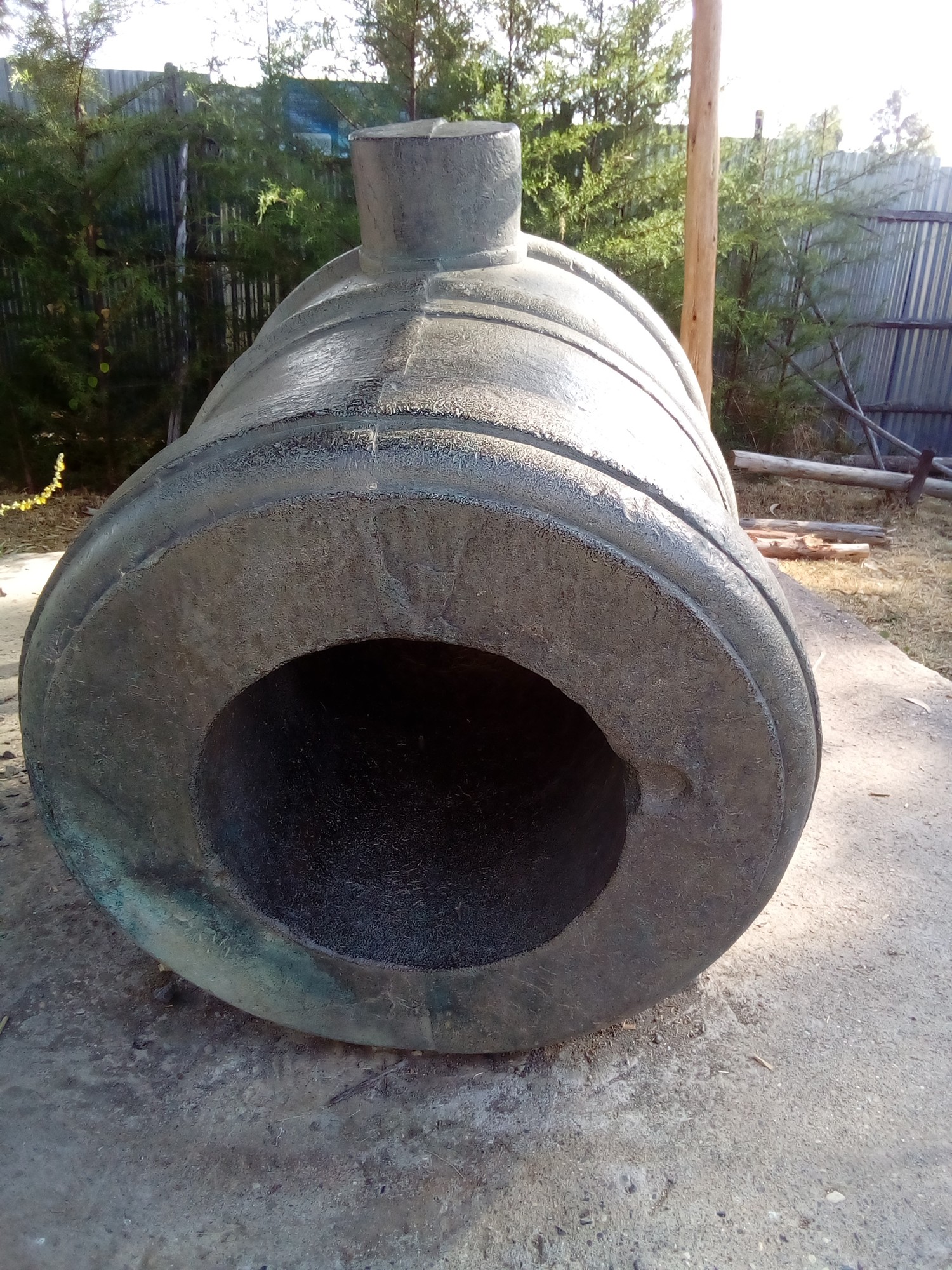
Cannon from Gafat
Guns were central to his plans. The historian Richard Pankhurst writes that in 1855 Tewodros accepted an offer from Samuel Gobat, the Anglican Bishop of Jerusalem, to send young craftsmen from the Chrischona mission institute near Basel, and settled them at Gafat, near his capital, Debre Tabor. Bantalem places Gafat about four kilometres northwest of the town. The emperor soon ordered the missionaries to cast cannon and mortars, although none of them had learned how, and only after repeated failures did their furnaces produce a working gun. In another article, Pankhurst says the largest weapon made for Tewodros was named Sebastopol, after Sevastopol, scene of a then-recent battle in the Crimean War, and was meant to fire a shell of 1,000 pounds. The British envoy Hormuzd Rassam reported that as many as 500 people were needed to pull it uphill. After the rains of 1867, Bantalem writes, drawing on earlier historians, Tewodros took his new guns and mortars and blasted a road toward Maqdala. Accounts differ on when the great mortar arrived, with dates from late March to 2 April 1868, and Bantalem found it still in place on top of Selamgie, a mountain on the Maqdala massif.
The British expedition
The road to war began with a letter. In 1862, the British Museum says, Tewodros wrote to Queen Victoria as a fellow Christian monarch, asking for help with military training, but the Foreign Office never passed the letter on to her. Insulted, he imprisoned the British consul and other Europeans, accusing them of plotting against him. In 1867 Britain sent a force under Sir Robert Napier, which the museum puts at 13,000 British and Indian soldiers and 26,000 camp followers, with the stated aim of freeing the hostages and punishing the emperor. The main battles were fought at Aroge on 10 April 1868 and at Maqdala on 13 April. The museum says hundreds of Tewodros’s soldiers were killed and thousands wounded, with only limited British casualties. As the British took Maqdala, Tewodros shot himself rather than be captured, using a pistol that Queen Victoria had given him, an act the museum says has made him a national hero for many Ethiopians.
Looted and burned
Contemporary accounts, the British Museum notes, describe soldiers and the freed hostages looting the fortress and its church, and on 17 April 1868 the fortress was destroyed on military orders. Pankhurst, drawing on British eyewitnesses, writes that the emperor’s palace and the church of Medhane Alem were set on fire, and that the plunder was carried on fifteen elephants and nearly two hundred mules to the nearby plain of Delanta. There, on 20 and 21 April, the army auctioned it to raise prize money for the troops. Richard Holmes of the British Museum, sent along as the expedition’s archaeologist, was one of the main buyers, and the museum says more than 300 manuscripts from Maqdala came to it through the Secretary of State for India and are now in the British Library. The Victoria and Albert Museum (V&A) holds a gold crown and a gold chalice taken from the treasury. Inscriptions on the chalice show it was given to the church of Qwesqwam near Gondar by Emperor Iyasu II and his mother, Empress Mentewab. Tewodros’s widow, Empress Tiruwork Wube, died soon after the attack, and their young son, Prince Alemayehu Tewodros, was taken to Britain, where he died at 18.
What came back
The fate of the Maqdala treasures has been argued over ever since. William Gladstone, the British prime minister, argued in a parliamentary debate in 1871 that the sacred objects should never have been taken, according to the V&A. Pankhurst records that Emperor Yohannes IV wrote to Queen Victoria in August 1872 asking for a copy of the Kebra Nagast and an icon of Christ, that the British Museum returned one of its two Maqdala copies of the book, and that the icon had been kept privately by Holmes and was never sent back. The British Museum says the icon is now in a private collection in Portugal. In 1924, Pankhurst writes, Britain sent one of Tewodros’s two crowns to Empress Zewditu during the visit of Ras Tafari Makonnen, the future Emperor Haile Selassie, and in 1965 Queen Elizabeth II presented the emperor with Tewodros’s cap and seal. The V&A says Ethiopia formally asked for the crown and chalice in 2007, and that British law currently prevents the museum from permanently giving up objects in its collection. Some privately returned objects from Maqdala are on display at the National Museum in Addis Ababa, according to the British Museum. On the mountain itself, Bantalem found the ruins of the palace and of Medhane Alem church, the spot where Tewodros died, and a grave marked by monuments, though one account he cites says the body was later moved to Mahbere Selassie monastery in Metema.
Sources
- Encyclopaedia Britannica, “Tewodros II”
- British Museum, “Maqdala collection”
- Alexandra Watson Jones, “Ethiopian collections at the V&A”, Victoria and Albert Museum (7 April 2026)
- Bantalem Tadesse, “Manufacturing Emperor Tewodros’s cannon at Gafat”, Ethiopian e-Journal for Research and Innovation Foresight 7, no. 1 (2015)
- Richard Pankhurst, “An Essay in Nineteenth Century Ethiopian History”, Together We Learn Ethiopia
- Richard Pankhurst, “Emperor Tewodros as Innovator: Cannon and Roads”, Together We Learn Ethiopia
- Richard Pankhurst, “The Napier Expedition and the Loot from Maqdala,” Présence Africaine 133-134 (1985), pages 233 to 240
- Richard Pankhurst, “Maqdala and its Loot: a Brief History”, Together We Learn Ethiopia