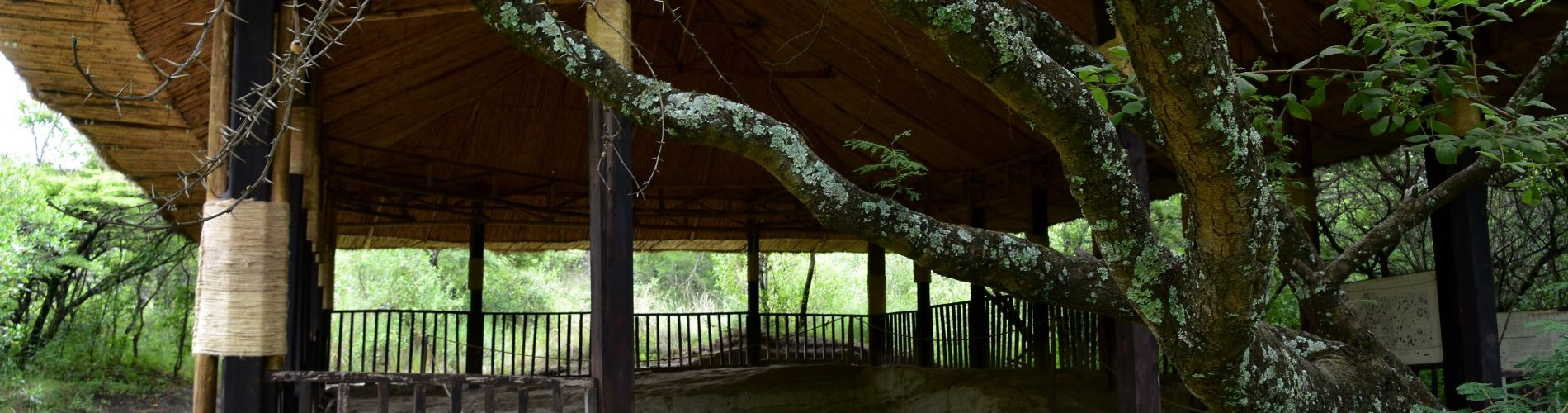
According to the UNESCO World Heritage Centre, Melka Kunture and Balchit is a cluster of prehistoric sites in the Upper Awash Valley of Ethiopia that preserve archaeological and palaeontological records, including footprints, showing that hominin groups occupied the area from two million years ago. UNESCO says the sites lie about 2,000 to 2,200 metres above sea level, and it records that the property was inscribed on the World Heritage List in 2024.
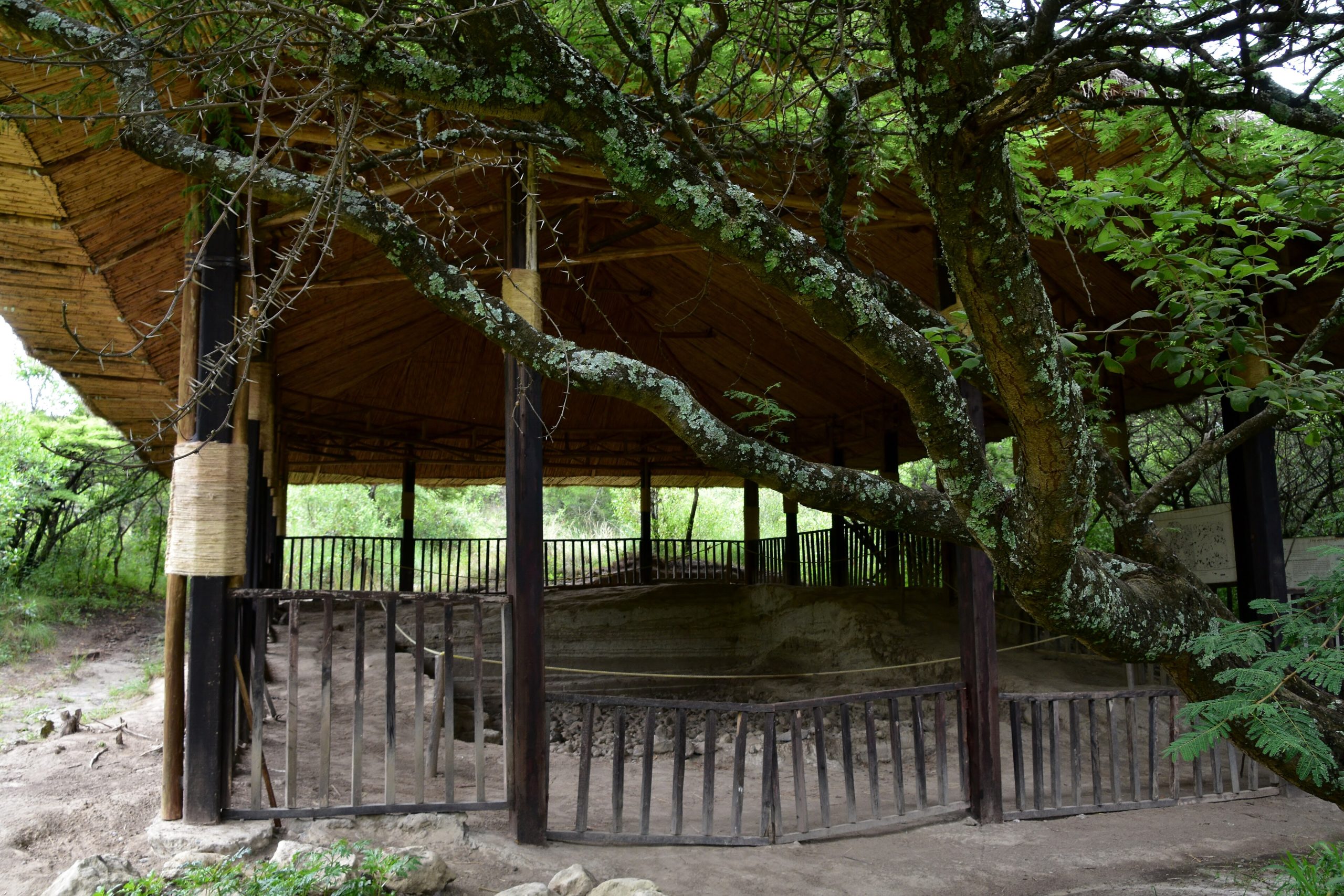
Four ages of stone tools in one place
UNESCO describes Melka Kunture and Balchit as the only known place in the world to have preserved, in a single area, a cultural sequence of four consecutive phases: the Oldowan, Acheulean, Middle Stone Age and Late Stone Age. It says fossils of Homo erectus, Homo heidelbergensis and archaic Homo sapiens have been found there in well dated layers alongside tools made from volcanic rocks. UNESCO also calls the property the earliest known example of obsidian use, with an uninterrupted record of people gathering and working this volcanic glass since two million years ago. Volcanic tuffs in the deposits, it adds, allow researchers to date the layers.
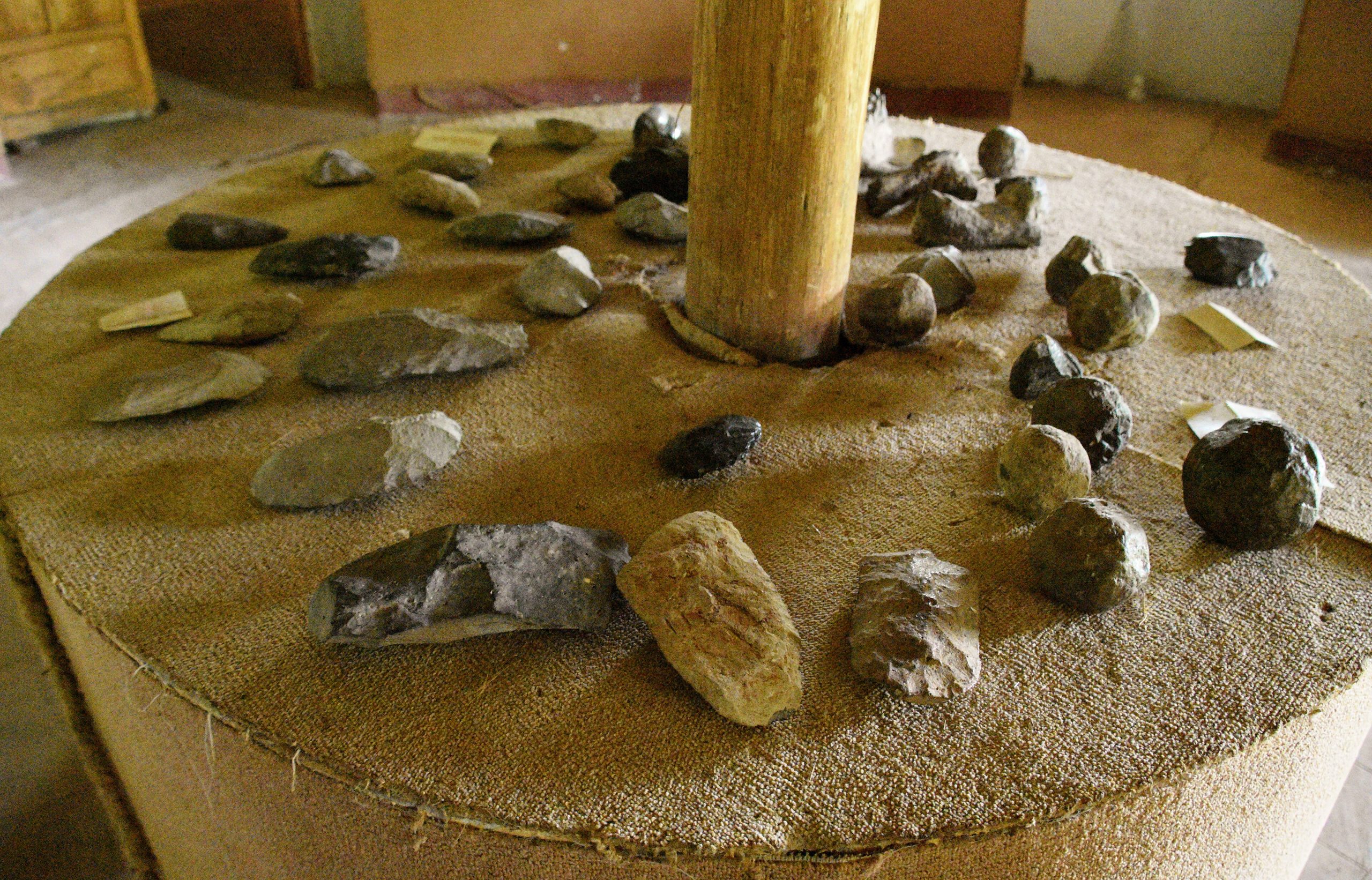
Footprints by the water
A 2018 study in Scientific Reports, led by Flavio Altamura with Margherita Mussi among its authors, describes tracks at one of the archaeological sites in the Gombore area of Melka Kunture, dated to about 700,000 years ago. The authors write that adults and children, potentially as young as 12 months old, left tracks in silty ground on the shore of a body of water where hoofed animals, other mammals and birds gathered. The same layers held stone tools made on the spot and evidence that those tools were used to butcher hippo carcasses. Based on the date and on hominin remains found at Melka Kunture, the authors assume the track makers were Homo heidelbergensis.
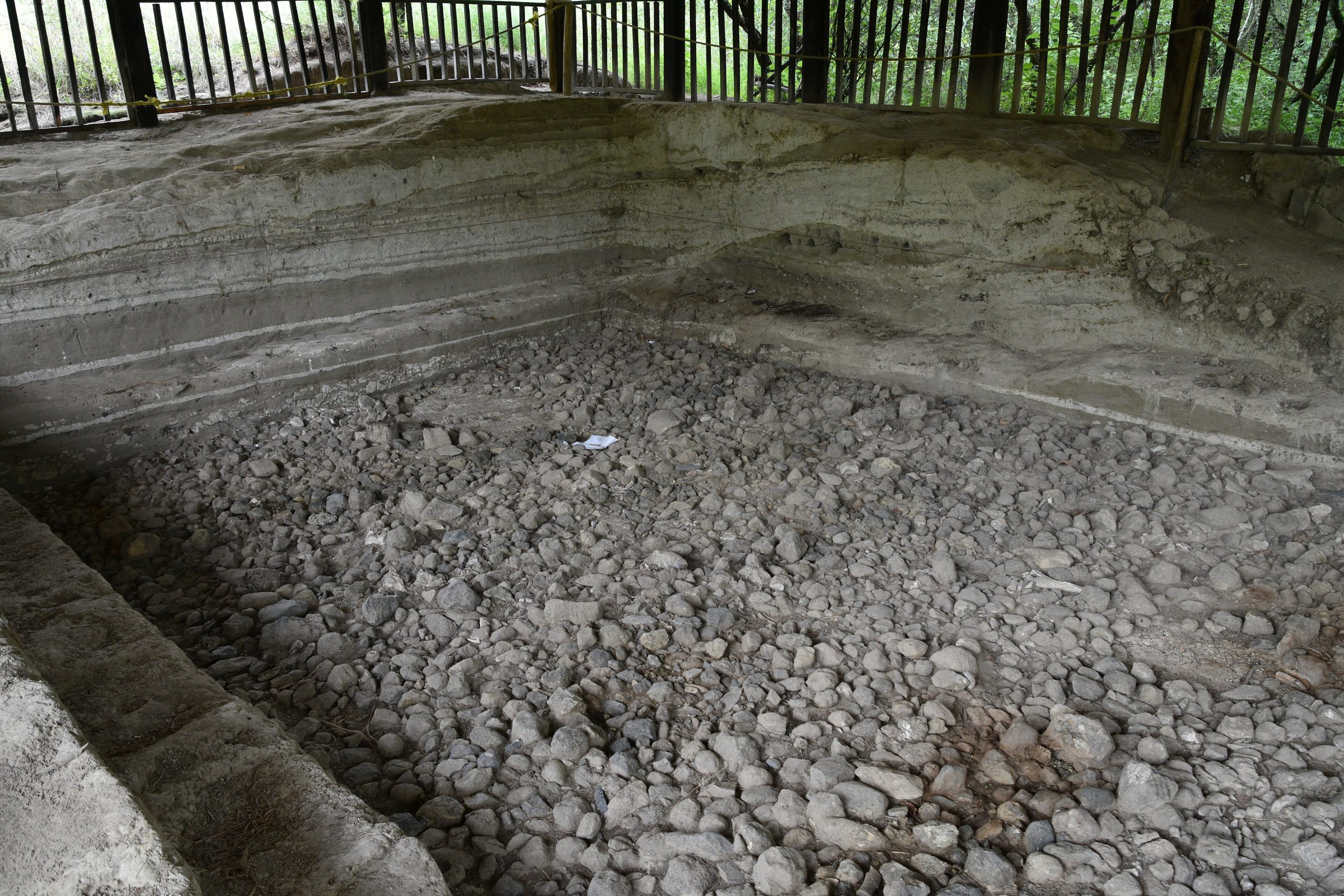
Decades of digging
The same study says a French mission led by Jean Chavaillon began research at Melka Kunture in 1965, and that from 1999 the work passed to the Italian Archaeological Mission at Melka Kunture and Balchit, which, at the time of the study, was directed by Margherita Mussi of Sapienza University of Rome. According to UNESCO, excavated sections have been backfilled except for one left open for public display, and finds are kept at the National Museum of Ethiopia in Addis Ababa and at the site museum. UNESCO notes that seasonal overflows of the Awash River cause some erosion and that sand quarrying threatens parts of the deposits.